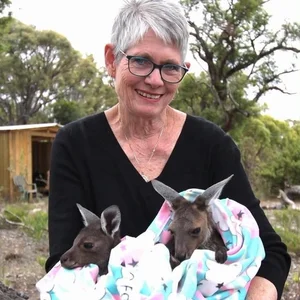
Mount Barker Wildlife Hospital
There’s something extraordinary happening in the Great Southern. In September 2023, Dr James and Dr Theresa took over the Mt Barker Veterinary Hospital after returning from 20 years in the USA. During their time abroad, both taught at the Texas Tech Veterinary School in Texas, bringing home a wealth of international expertise and a vision for the future of regional wildlife care.
Meet the team
Dr James is one of only a handful of veterinarians worldwide who is double board‑certified in surgery and equine reproduction. His credentials and international experience bring world‑class expertise to the Great Southern. Dr Theresa is a mixed‑animal veterinarian with a special interest in small animal surgery, ultrasound, and wildlife care. She also has a passion for orthopaedics, ensuring that pets and wildlife alike receive the highest standard of treatment.
Together, James and Theresa are committed to building something extraordinary for the region: a dedicated wildlife hospital that puts conservation and care at the heart of the community.
Why a Wildlife Hospital?
From the very beginning, James and Theresa made a promise: all wildlife brought in by members of the public would be treated free of charge. Local wildlife carers, who already give so much of their own time and money, are also offered generous discounts. Their long‑term goal is that, with the support of donations, sponsorships, and grants, every wild animal can be treated for free — because wildlife is everyone’s responsibility, not just that of carers and vets.
The idea for the Mt Barker Wildlife Hospital grew out of the sheer number of wildlife cases seen at the clinic. While veterinary hospitals across the Great Southern triage and treat wildlife before sending them on to carers, James and Theresa wanted to take it further by creating a dedicated not‑for‑profit wildlife hospital. This structure allows them to apply for grants and sponsorships, build better facilities, purchase specialised equipment, and provide a higher standard of care — all while continuing to offer these services free of charge.
The vision ahead
At present, the Wildlife Hospital operates out of the Mt Barker Veterinary Hospital, but plans are already drawn up for a purpose‑built facility with triage and treatment rooms, ICU, surgery and X‑ray, and separate housing for different species. The veterinary team donates their time, and while this comes at a cost to the hospital, James and Theresa believe it is vital to provide the highest standards of care.
Right now, there is no dedicated wildlife hospital outside the Perth metropolitan area. This means that more complex cases from the Great Southern must be sent to Perth for treatment, which puts enormous strain on the animals. The region is home to endangered species such as the Western Ringtail Possum and black cockatoos. When these animals are transported north and then released back into the wild from Perth, the Great Southern loses breeding pairs and genetic diversity.
Upskilling staff to care for these species locally will help protect populations — especially black cockatoos, who are monogamous and mate for life. At the same time, the two wildlife hospitals in Perth are already operating at full capacity, so building a facility here is not just important, it’s urgent.
Education and collaboration
Education is central to the vision. James and Theresa’s team continues to train at the WA Wildlife Hospital, take part in wildlife courses, and collaborate closely with metropolitan hospitals, sanctuaries, and the zoo. The more they do, the more they realise how much there is to learn — and how much better they can serve the wildlife of the Great Southern.
A community milestone
The Mt Barker Wildlife Hospital is more than a facility. It is a vision for a future where wildlife care is accessible, professional, and proudly regional — a future where every animal has a chance at recovery, and where the community plays a shared role in protecting biodiversity.
This is exciting news for the Great Southern, and Amaris Wildlife is excited to share the journey with you.
Seeing the Need First‑Hand
The vision for the Mt Barker Wildlife Hospital comes directly from the animals already cared for by Dr James, Dr Theresa, and their team. Each case shows both the challenges of wildlife medicine and the difference that local expertise can make:
Ellie – Brought in after being chased by a dog, Ellie underwent complicated surgery at 10pm. Despite every effort, she didn’t survive. Her case highlights the urgency of having advanced facilities and immediate care available locally.
Jarew – Found hanging upside down in a fence Damage to the muscles down one side meant he had no feeling in that foot. Breaks came during rehab, showing how complex recovery can be for wildlife. Pins, a cast, and therapy were used, and he has been successfully released.
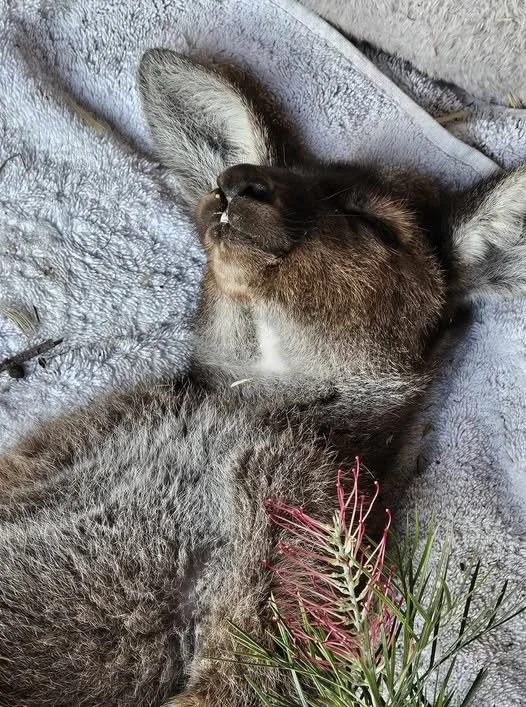
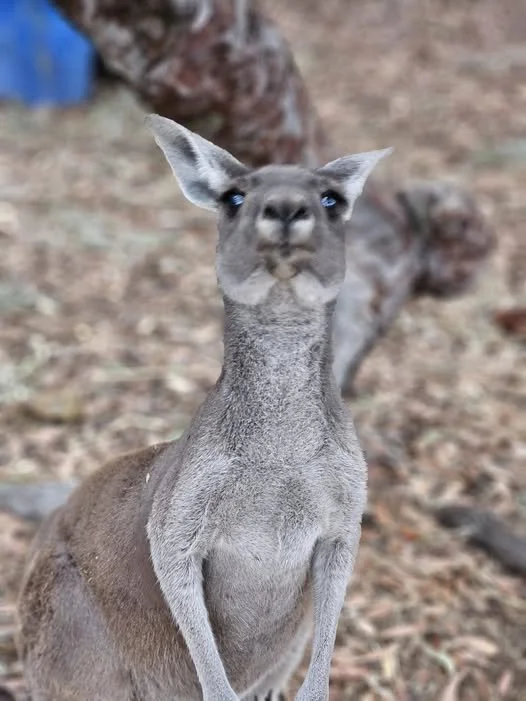
Rossie – A semi‑wild male kangaroo who suffered liver failure. Rossie didn’t survive, but the team was able to give him a chance and dignity in care. His case demonstrates the need for specialised diagnostics and treatment close to home.
Jassi – Suffered severe internal injuries during a violent mating. Despite intervention, her injuries were too severe, and she died. Her case underscores the importance of intensive care facilities for wildlife emergencies.
Katie – So sick that survival seemed impossible, Katie pulled through thanks to round‑the‑clock care — including Dr Theresa being called out at 2am on a cold, wet winter’s night. Her recovery is a testament to dedication and community support.
Lucy – Arrived with a broken ankle that had calcified in the wrong position after not being treated by her first carer. Surgery, a cast, and careful rehabilitation gave her a chance to heal properly.
Bandit – With a broken tail complicated by osteomyelitis, Bandit’s treatment required persistence and specialist care, underscoring the importance of local facilities for long‑term recovery.
Jaxon – A wild joey caught in a neighbour’s fence with two broken feet. It took two days to catch him, and by then his injuries were too severe for treatment. He was relieved from his suffering with kindness and compassion, showing that humane decisions are sometimes the most caring outcome.
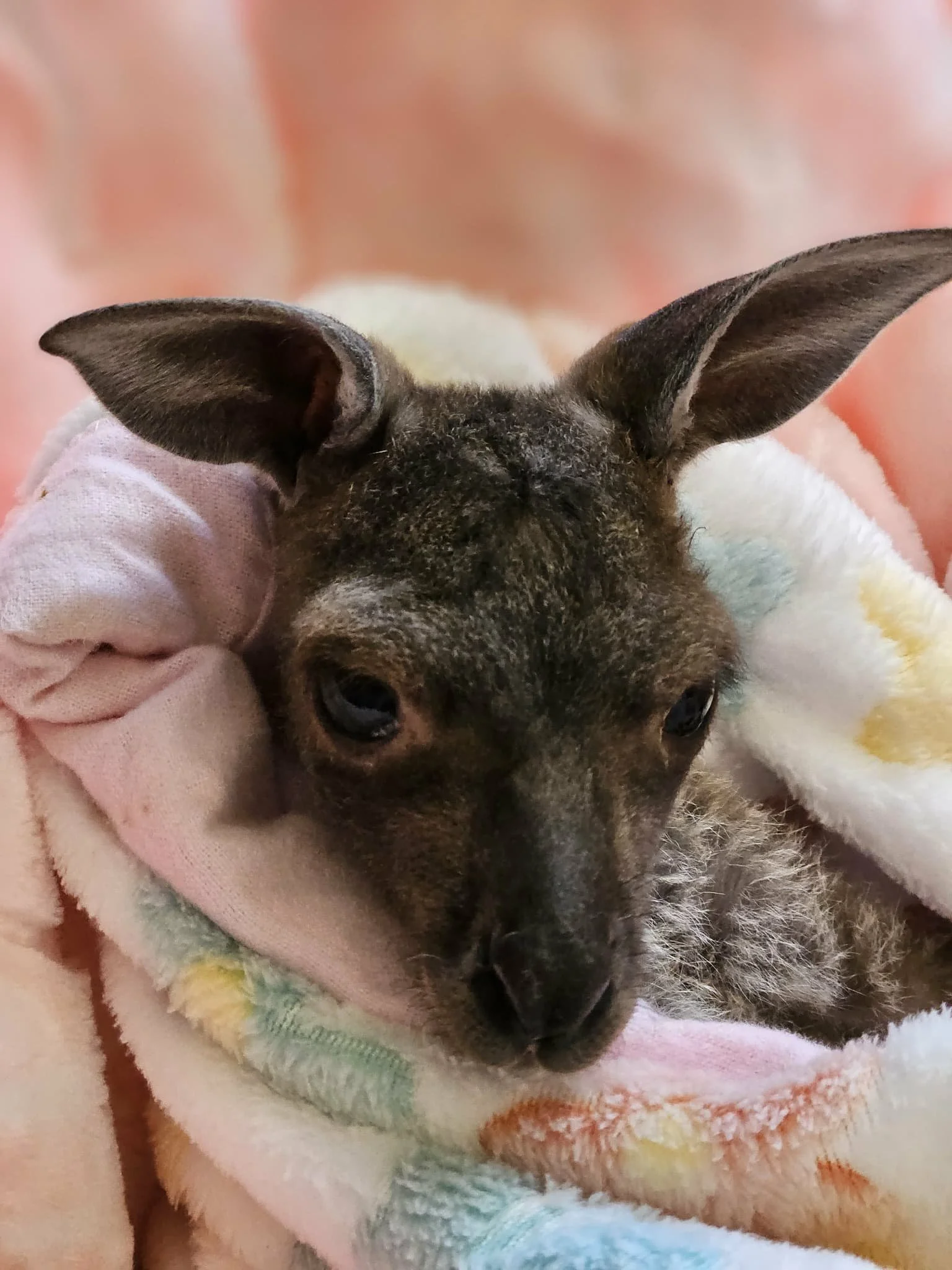
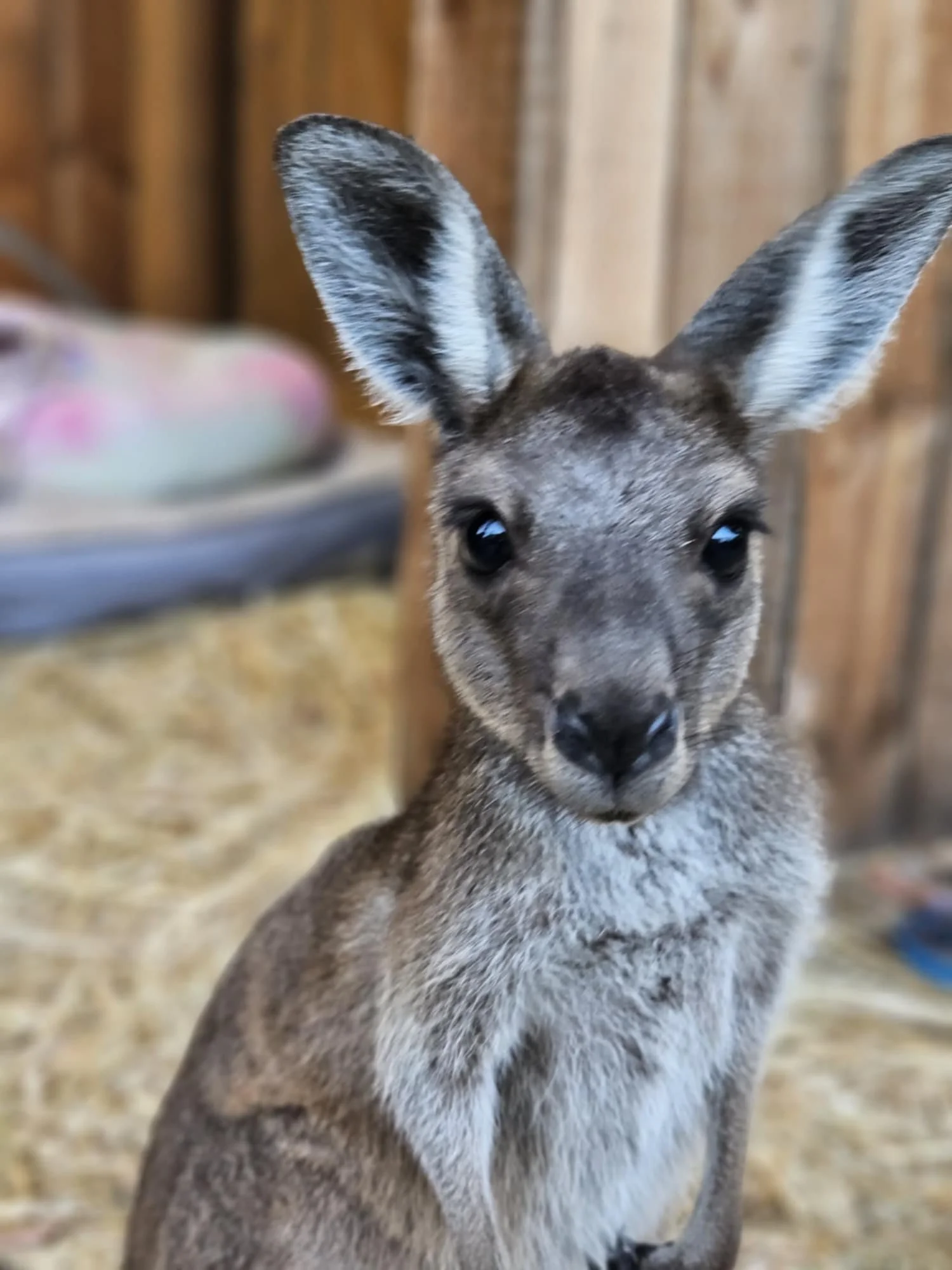
These stories are raw, real, and deeply moving, these are my babies. They show the strain placed on wildlife, carers, and veterinarians when facilities are limited — and why a dedicated wildlife hospital in the Great Southern is not just important, but urgent. Every case, whether survival or loss, reinforces the need for specialised care, advanced equipment, and a facility designed specifically for wildlife.