Absentee Dads, Helicopter Mums & Ruthless Reptiles: Parenting Aussie‑Style
When it comes to parenting, Australia’s wildlife has written its own rulebook — and it’s nothing like ours. Some species are the ultimate helicopter parents, while others… well, let’s just say they’re more “hands‑off.”
Absentee Dads
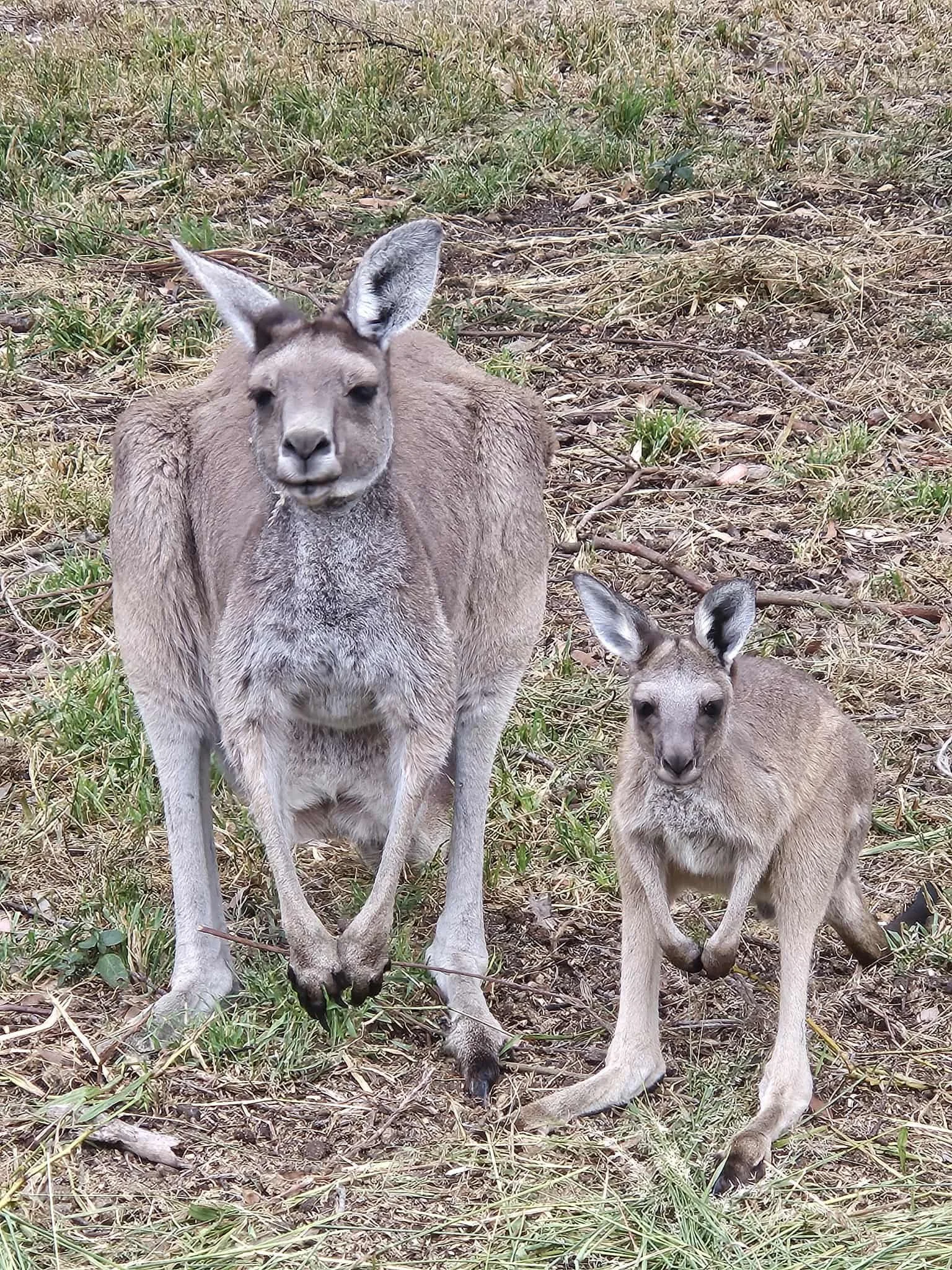
Kangaroos: The males do the deed, plant the seed, and hop away. No bedtime stories, no pouch checks. Meanwhile, mum juggles three joeys at different stages — one at foot, one in pouch, and in some species one embryo on pause. Talk about multitasking.
Quokkas: Famous for their cheeky grins, but their parenting reputation is tougher. Under stress, a mother may drop her joey to escape predators — leaving the youngster vulnerable. Nature balances this with a clever backup: females can have an embryo in diapause, ready to resume development if the current joey doesn’t survive. Males do not form pair bonds and provide no parental care
Helicopter Mums & Super Dads
Emus: Mum lays the eggs and leaves. Dad sits tight for two months without food or water, then raises the chicks solo. Magpies: Dad becomes the neighbourhood bodyguard, swooping cyclists, joggers, and posties to keep his chicks safe
Cockatoos: The romantics of the bush, they mate for life and co‑parent, sharing feeding and protection duties. Possums: Mum runs a mobile daycare, piggybacking her young as she forages.
Wombats: Burrow engineers and long‑term carers. Joeys stay in the pouch for 6–8 months, then shadow mum for up to two years, learning burrow life and wombat etiquette. Wombats are solitary and territorial. Males use scent marking and chasing rituals to court females. After mating, males leave. They do not help with raising the young.
Gross but Genius
Koalas: Joeys can’t digest eucalyptus, so mum produces pap — a probiotic poo smoothie — to seed their gut. Fairy‑wrens: Mum sings a “password” to her eggs. Only chicks who learn the tune get fed. Brutal, but effective.
Communal Carers
Ducks: Devoted mums, but they can’t count. Broods often mix, and one mother may suddenly shepherd twenty ducklings — some not even hers. If a mother dies, her ducklings are vulnerable, but sometimes another female adopts them into her brood. It’s chaotic, communal, and sometimes lifesaving.
Ruthless Reptiles
Shingleback lizards: Babies are born live and fend for themselves from day one. No feeding, no guarding, no piggyback rides.
Snakes: Some species not only abandon their hatchlings but may even eat them. Nature can be ruthless.
From kangaroo dads who vanish, to emu dads who sacrifice everything, to cockatoos who stick together for life — Australia’s wildlife shows us that parenting is as diverse as the creatures themselves. Each strategy, strange or tender, is perfectly adapted to survival in the wild.