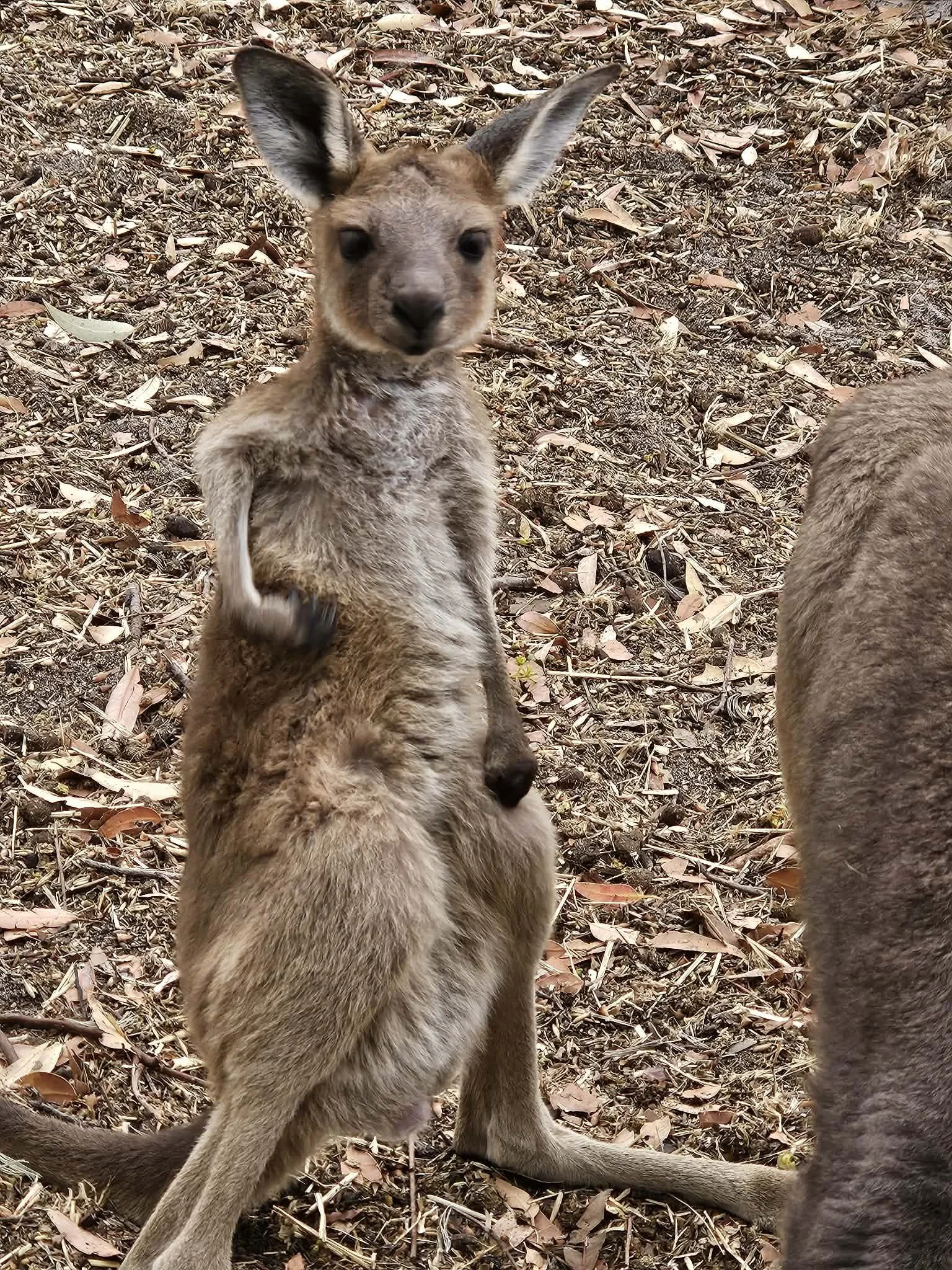
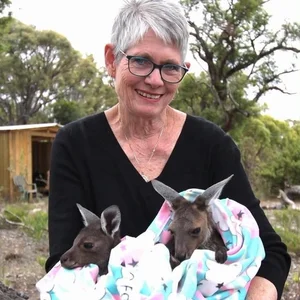
R.I.P. Ellie: Why Pindone Should Be Banned, Not “Managed”
Yesterday I received the final autopsy report for baby Ellie.
She died from pindone poisoning. [pwh.org.au]
And I cannot get one thought out of my head: how long must she have suffered.
Pindone doesn’t kill quickly. It is a first‑generation anticoagulant poison that interferes with vitamin K–dependent clotting. In plain language, it stops blood from clotting properly and animals can die from internal haemorrhage over time. [pwh.org.au]
That’s not a clean death.
That’s not a quick death.
That’s not a death any of us would accept if it were happening in front of us.
Since Ellie died, I’ve changed. Every time I look out and notice one of the mob missing, my heart races. I’m overwhelmed with worry. I find myself scanning fence lines, paddocks, tree lines, tracks — not because I’m dramatic, but because once you’ve lost a baby like Ellie to poison, you don’t ever feel safe again.
“Rabbit bait” doesn’t stay with rabbits
People think poison is tidy. People think it stays where it’s placed. People think it targets only what they want it to target.
That’s the lie we tell ourselves so we can sleep at night.
In the discussion paper “Pindone Rabbit‑Baiting: Cruel and Careless?” by Sharon Beder and Richard Gosden, the authors describe pindone as a poison that causes rabbits to suffer a slow and painful death and warn it can kill non‑target species, and that animals and birds that eat dying rabbits or rabbit carcasses (including raptors such as eagles and owls) may also be at risk. [rabbit-sweep.org]
That is how “pest control” becomes a whole‑of‑ecosystem problem.
It’s not just dangerous — it’s inhumane
If you need a reason to pause before using pindone, animal welfare guidance provides one: pindone poisoning causes prolonged suffering.
The same discussion paper notes that the RSPCA does not consider pindone “an acceptable control method” because affected rabbits take several days to die, and it quotes DPI material describing the clinical progression of pindone poisoning and the prolonged distress involved. [rabbit-sweep.org]
And then comes the line we should all sit with:
The discussion paper states that the DPI rates 1080 as “conditionally acceptable” whereas pindone is rated “inhumane compared to 1080.” [rabbit-sweep.org]
Let that sink in. People argue about 1080, yet this cited assessment describes pindone as worse in humaneness terms. [rabbit-sweep.org]
Based on assessments of animal welfare and humaneness, pindone is generally considered more cruel than 1080 for controlling rabbits. While both poisons cause significant suffering, pindone is considered less humane because it causes a prolonged, slow death over several days.
Kangaroos are not collateral — they are victims
It is not just rabbits. The same discussion paper notes that “kangaroos also appear highly sensitive” to pindone (based on results for western greys) and references western grey kangaroos as confirmed casualties of pindone poisoning campaigns. [rabbit-sweep.org]
So when kangaroos die from pindone exposure, that is not an unforeseeable outcome. It is a known risk discussed in published material. [rabbit-sweep.org]
And yet… it’s still sold off the shelf
This is where my grief turns into rage.
Pindone‑based rabbit bait is still sold retail. For example, a major hardware retailer lists a rabbit bait product with active ingredient: pindone (“Rabbit Control Bunny Bait 2kg Feral Rabbit”). [library.dp....wa.gov.au]
So we have a poison associated with prolonged suffering, known non‑target risk pathways, and documented concern about impacts on wildlife — available like it’s a normal garden product. [rabbit-sweep.org], [library.dp....wa.gov.au]
I don’t want “tighter regulations”. I want a ban.
I am done with polite conversations about “better use”.
Ellie is dead. And she won’t be the last.
The discussion paper describes a “curious anomaly” where training requirements can exist while ready‑mixed pindone bait remains purchasable “over the counter,” enabling misuse. [rabbit-sweep.org]
So no, I don’t want another brochure.
I don’t want another warning sign.
I don’t want another “please be careful”.
I want pindone removed from general retail sale — and I want it banned.
Because “managed risk” still produces dead wildlife. And I am standing in the wreckage of what “managed” looks like.
The question we need to ask out loud
I want to be careful here: I am not accusing anyone specific.
But we need to face the reality that when a slow‑killing poison is readily accessible, there is potential for it to be misused — including against animals it was never intended to target.
So yes, I will ask the question:
With changing social conditions and increasing conflict around wildlife in some areas, are we sleepwalking into a situation where poisons like pindone become a tool of convenience — including to “deal with” kangaroos?
We should not be afraid to ask that. Because the only people harmed by asking it are the people who benefit from silence.
Ellie deserved better
Ellie wasn’t a statistic. She was a baby. She was loved. And she suffered because a product sold as “rabbit bait” didn’t stay with rabbits.
This is not just a rabbit issue.
This is a wildlife issue.
This is a community ethics issue.
R.I.P. my beautiful precious baby
References (as used in this post)
APVMA pindone description (mechanism and use): Pindone chemical review [pwh.org.au]
Discussion paper (welfare impacts, non‑target risks, “inhumane compared to 1080”): Pindone Rabbit‑Baiting: Cruel and Careless? (PDF) [rabbit-sweep.org]
Retail availability example: Rabbit Control Bunny Bait 2kg Feral Rabbit (Active ingredient: Pindone) [library.dp....wa.gov.au]