

Ashes of Home: A Personal Plea Against the Lange (Albany)Burn
Ashes of Home: Why We Must Speak for the Silent
There’s a stretch of bushland in Lange, Albany—between Bandicoot Road and Mercer Road—that holds more than trees. It holds memory. It holds life. It holds the last whispers of species clinging to survival in a world that’s burning faster than we can protect it.
I’ve walked those trails. Counted possums in the canopy. Listened to the rustle of echidnas and the wingbeats of black cockatoos. I’ve seen joeys peek from pouches and felt the pulse of a living ecosystem. Now, that sanctuary is marked for fire.
This blog is not just a protest. It’s a plea. A reckoning. A call to look beyond policy and permits and see the faces—furred, feathered, and human—who will bear the cost. Because when we burn what’s critically endangered, we don’t just lose habitat. We lose integrity. We lose hope.

Spring Fire or Silent Slaughter
This blog was sparked by Spring Fire, a searing poem (author unknown) The words speak to the brutal beauty of our landscapes and the uneasy truth that spring can bring both renewal and ruin. As prescribed burns sweep through places like Walpole Wilderness and Gull Rock, we reflect on what’s lost—not just trees and habitat, but the biodiversity and wild lives we fight to protect.

World Heart Day: Honouring the Hearts That Beat for Wildlife
Today, on World Heart Day, we honour the hearts that beat not just within us—but for others. At Amaris Wildlife Sanctuary, it’s the compassionate hearts that carry our mission forward: the carers who love through exhaustion, the rescuers who act with courage and tenderness, and the generous souls who support us through donations, fundraising, and outreach. This is a day to celebrate love in action—the kind of heart that heals, protects, and never gives up on wildlife.

The Joy and Magic of Mia
At Amaris Wildlife Sanctuary, every life tells a story—but some stories feel like poetry in motion. This season, one of our most tender chapters belongs to Mumm’s Mia, a hand-raised joey who has grown into a devoted mother herself. Watching Mia care for her little boy Monty is more than heartwarming—it’s a living testament to resilience, instinct, and the sanctuary of safety.
For those of us who’ve known Mia since she was small enough to fit in a pouch made of fleece, seeing her now—lazing in the backyard, grooming her boy, clicking him into safety when danger stirs—is nothing short of magical. Her journey hasn’t been easy. Last year, both Mia and her first joey Mardie lost their babies during the chaos of the mating chase. But this year, Mia has held on. Monty is thriving. And every day, she reminds us what it means to love without fear.

In Memory of Nigel
Nigel’s story has touched many hearts in our community. What began as a moment of distress captured on video grew into a journey of fear, resilience, hope, and, sadly, loss. This is more than the story of one kangaroo — it is a reminder of the challenges our wildlife face every day, and of the compassion and responsibility we owe them. Today, we share Nigel’s full story in memoriam, honouring his life and the lessons he leaves behind.

International Day of Peace
Today the world pauses to honour the International Day of Peace — a reminder that peace is not only something we seek between nations and people, but also something we can nurture with the natural world around us. At Amaris Wildlife Sanctuary, we see every day how our rescued animals live quietly alongside one another, teaching us that harmony is possible when we respect, protect, and treasure life. This day invites us to reflect on how we, too, can learn to live in peace with wildlife — not exploiting, but loving them, and finding our own peace in their presence.
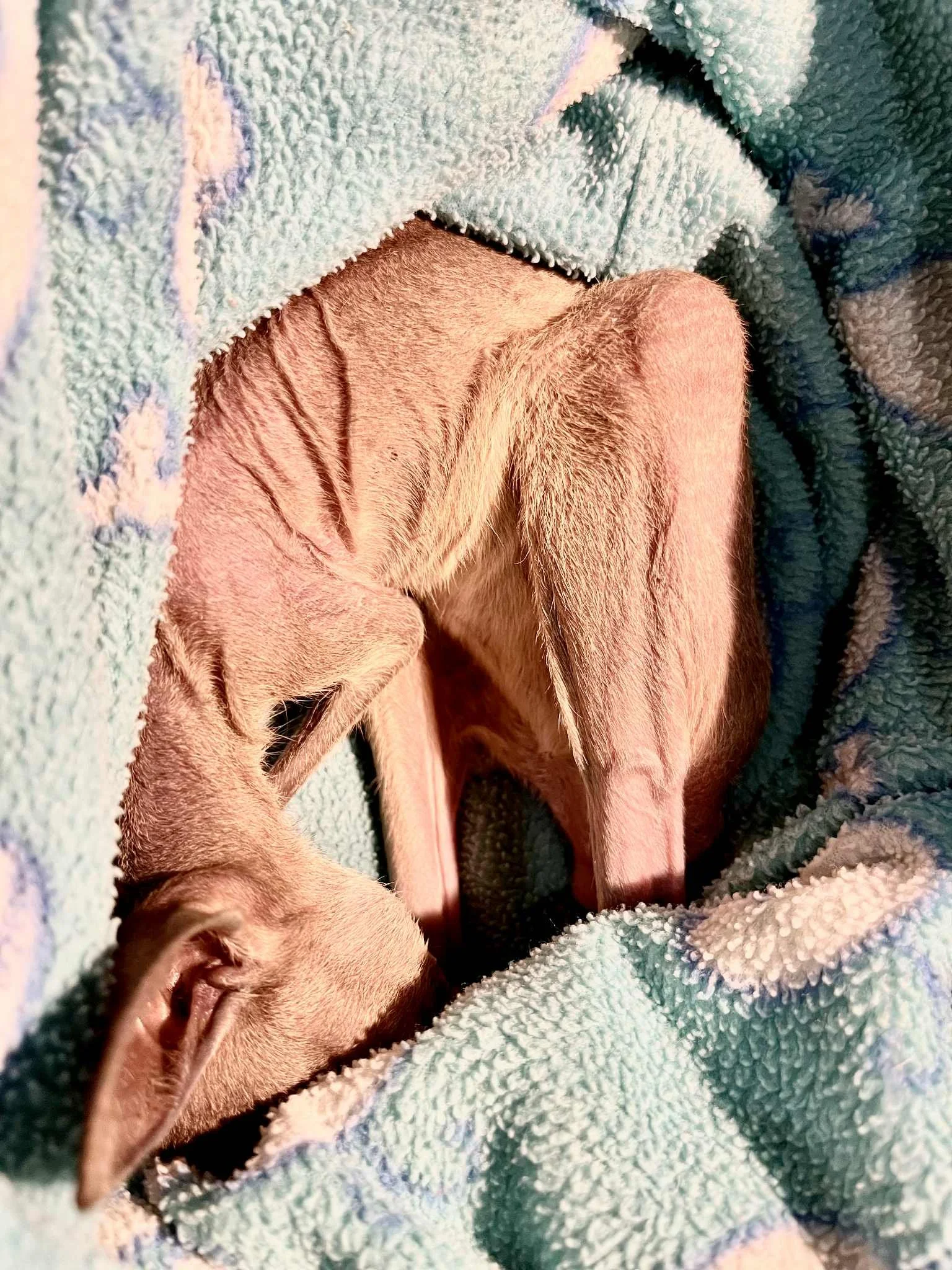
Love is NOT enough
Every year, well‑meaning members of the public rescue joeys from the pouches of kangaroos killed on our roads. Their hearts are in the right place — but without the right knowledge, equipment, and experience, love alone can’t keep a joey alive. In this blog, we share why “love is not enough” when it comes to raising orphaned wildlife, and why the most loving thing you can do is place them in the hands of a registered, experienced carer.
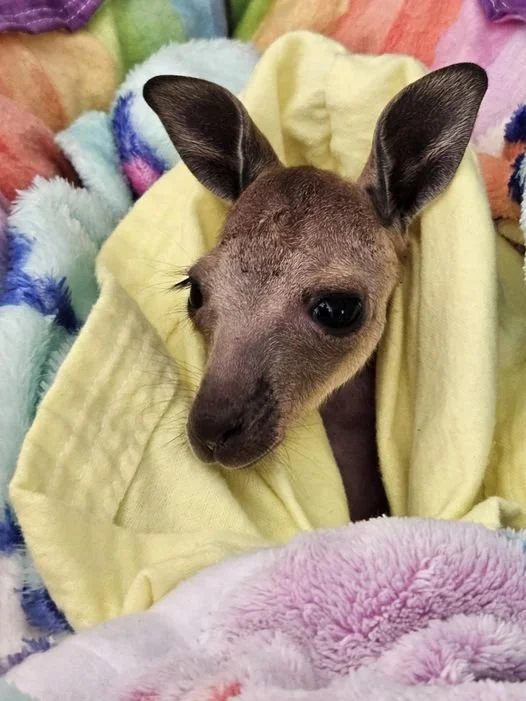
The Reality of Emergency Wildlife Rescue: A System in Crisis
When Krysti Severi stood before Parliament, she didn’t just speak—she bared the soul of every wildlife rescuer in Australia. Her words were raw, heartbreaking, and necessary. They echoed the pain we carry, the injustice we witness, and the relentless fight to protect the animals this country claims to love. This blog is inspired by her testimony, and by the kangaroos like the one who died on the roadside in Donnybrook—alone, broken, and unseen.
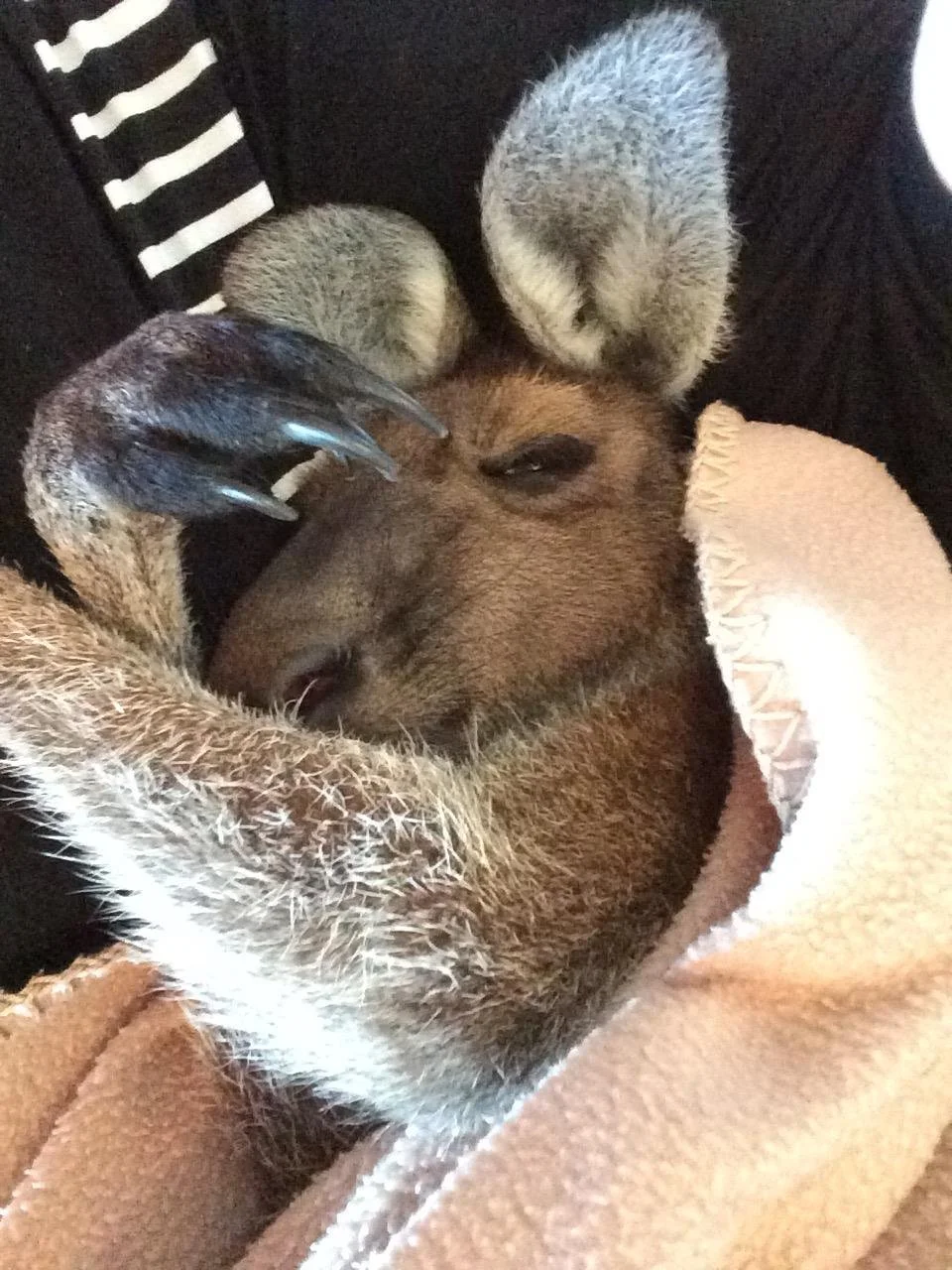
The Joy and Magic of Being a Joey Mummy
There is a joy and magic in wildlife care that defies words—yet we try, because it deserves to be felt. This blog is a glimpse into the heart of being a joey Mummy: the quiet miracles, the fierce love, and the moments that change you forever. It’s not just about rescue—it’s about connection, transformation, and the kind of magic that wraps around your soul and never lets go.
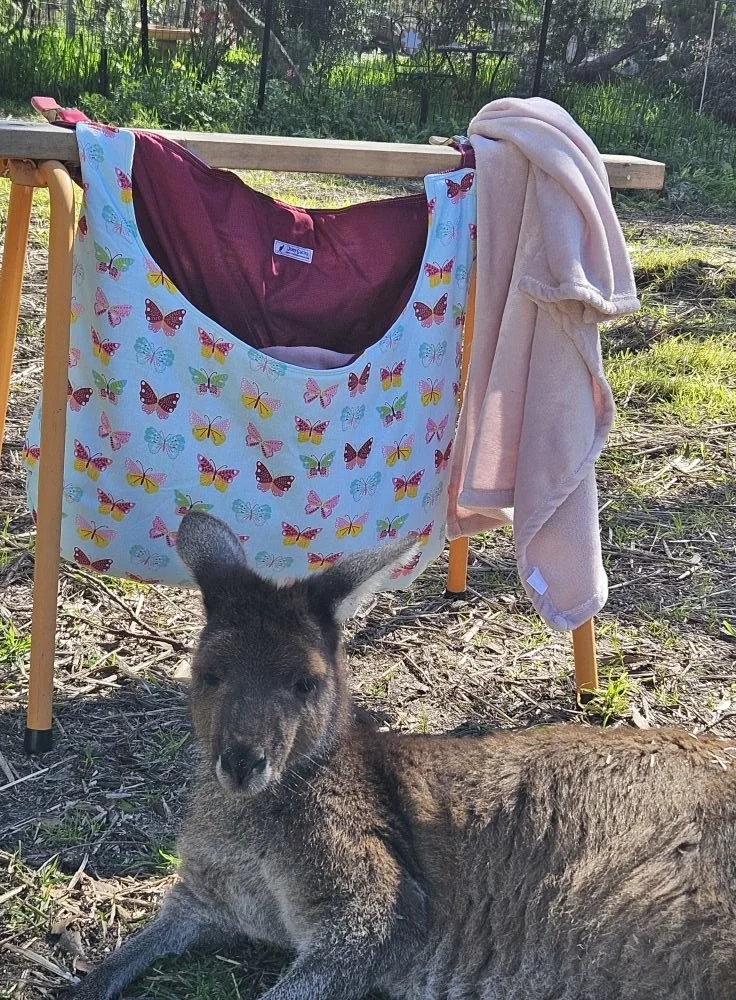
The Magic and Joy That Is Jaffa Roo
Welcome to a little corner of joy, magic, and marsupial miracles. If you’ve ever wondered what love looks like in fur and feet, let me introduce you to Jaffa Roo—the heart and hope of Amaris. This isn’t just a story about a kangaroo. It’s a story about healing, belonging, and the quiet ways love shows up when we need it most.
Jaffa is more than a carer—she’s a nurse, a mother, a protector, and a teacher. She wraps her arms (and her heart) around every joey who arrives at our sanctuary, and somehow, she wraps them around me too.
This blog is a celebration of her magic. Her joy. Her gentle strength. It’s a reminder that sometimes, the most powerful healers don’t wear uniforms—they hop.
So grab a cuppa, settle in, and let your heart be tugged in the best possible way. Happy tears welcome.
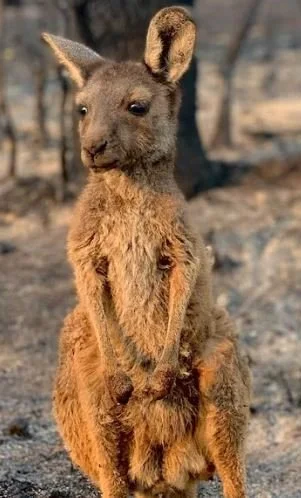
Wildlife Carers Are First Responders Too—So Where’s Our Support?
When disaster strikes—whether it’s a bushfire, flood, or roadside trauma—it’s wildlife carers who show up first. We cradle the injured, comfort the dying, and make impossible decisions in the absence of sirens, uniforms, or formal support. We are the unseen responders to suffering that others overlook. Yet despite the emotional toll and frontline role we play, we remain unfunded, untrained, and unacknowledged. It’s time that changed.
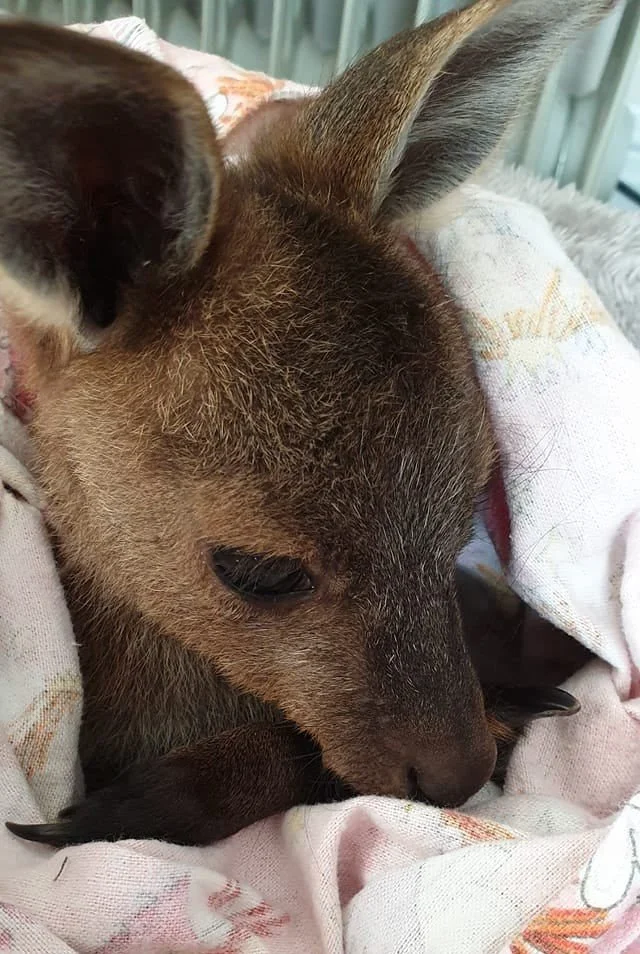
Cruelty by Neglect: Who Funds the Forgotten?
Cruelty wears many faces. Some is forgotten—buried in roadside ditches and decomposing pouches. Some is deliberate—when shooters don’t aim to kill, or joeys are bludgeoned as waste. Some is systematic—approved by planning departments, wrapped in red tape, and bulldozed into silence. And some is legal—sanctioned by codes that excuse suffering, ignored by inspectors who never arrive.
This is the cruelty our wildlife endures. And this is why we speak.
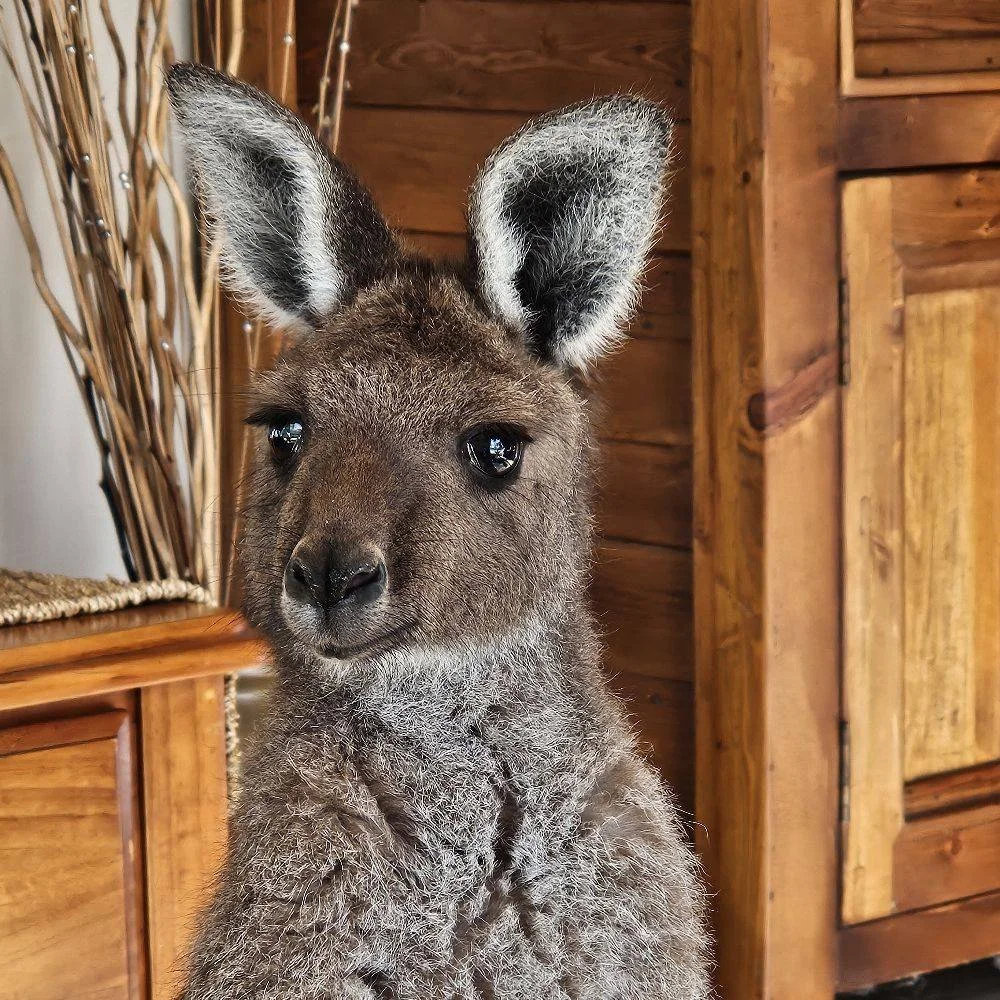
Why Don’t Vets Treat All Wildlife for Free? And Why Should They?
Why Don’t Vets Treat Wildlife for Free? It’s a question many ask—especially those new to wildlife care. In this post, I explore the realities behind veterinary support for our native animals: the costs, the compassion, and the quiet sacrifices made by vets and carers alike. If you’ve ever wondered who pays, who shows up, and who carries the grief when wildlife are injured, this is for you.
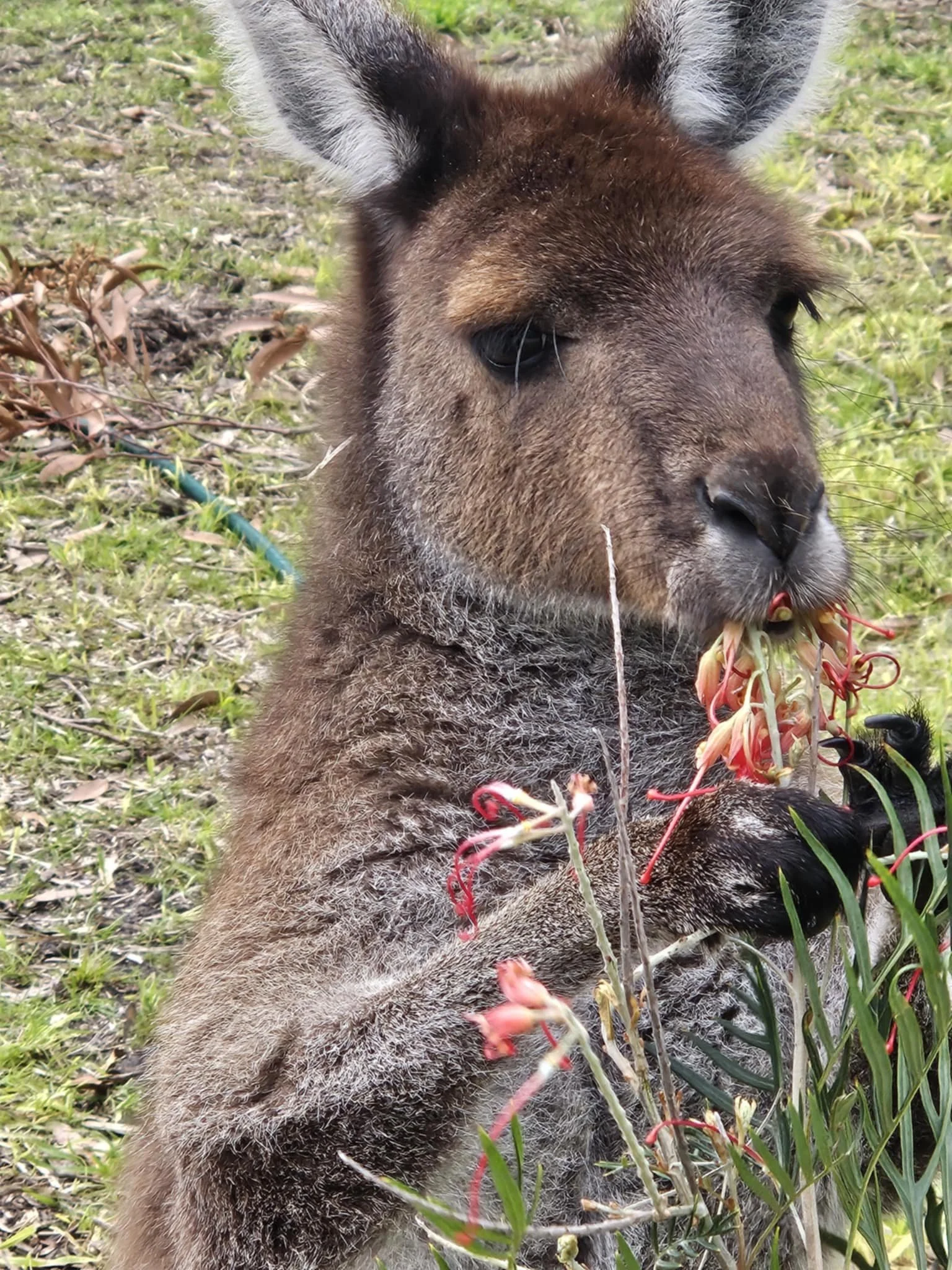
So You Want to Be a Wildlife Carer? Read This First.
Thinking about becoming a wildlife carer? This blog is for you. It’s a no-nonsense follow-up to Is It Worth It?—written for those who’ve felt the pull and are ready to step into the reality. Before you sign up, read on. Because caring isn’t just cuddles and compassion—it’s commitment, financial cost, and heartbreak
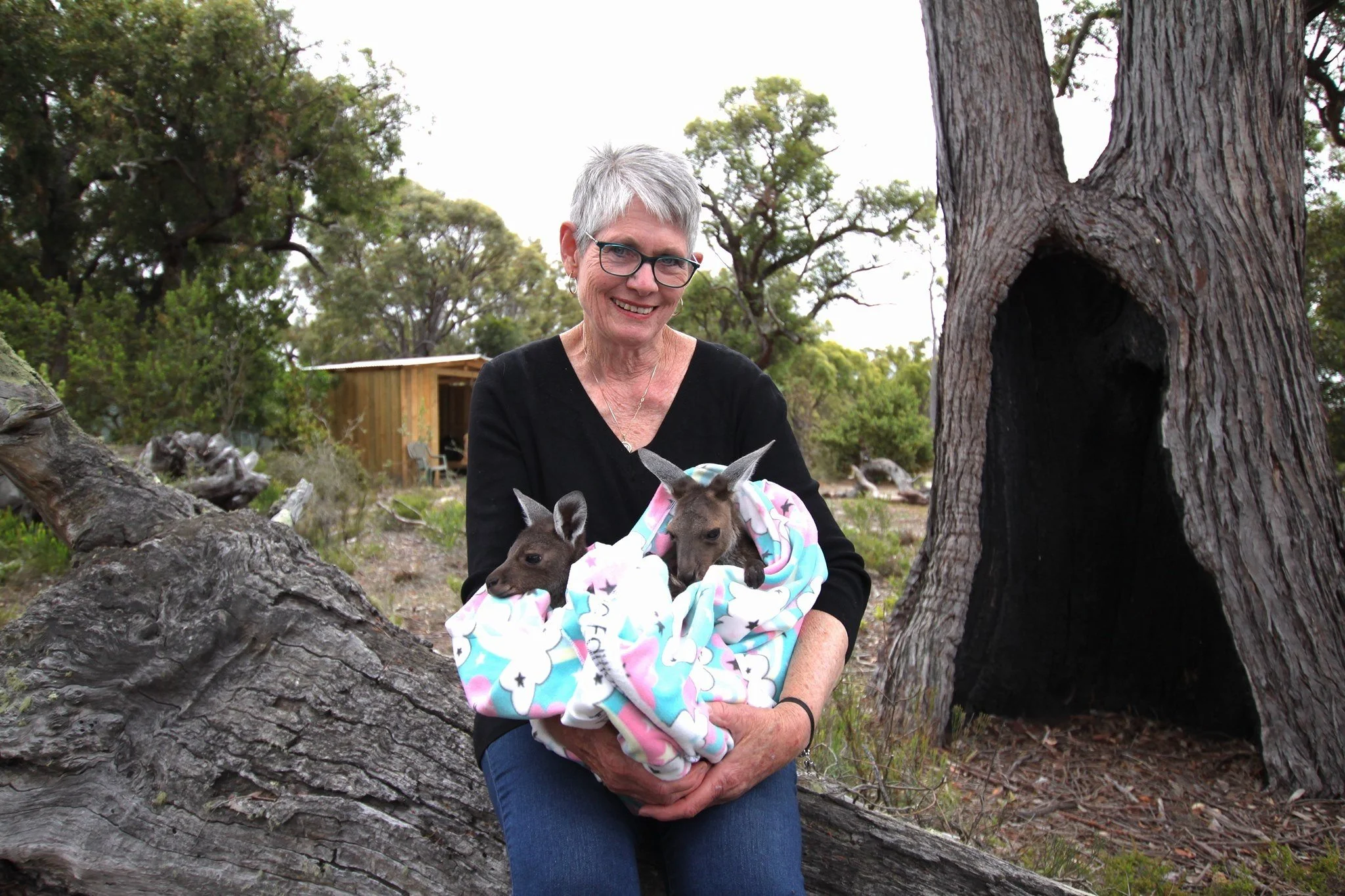
Is It Worth It?
Thinking of becoming a wildlife carer? Brace yourself—it’s not easy. It’s heartbreak, exhaustion, and sacrifice. It’s leaning on mentors, second-guessing yourself, and doing it anyway. You won’t get paid, but you’ll be paid in trust, in love, in the moment a joey looks to you as their whole world. And when you release them back to the wild, knowing they’ll thrive, nurture, and live free—that’s when you’ll know: It’s worth it. Unequivocally, YES.
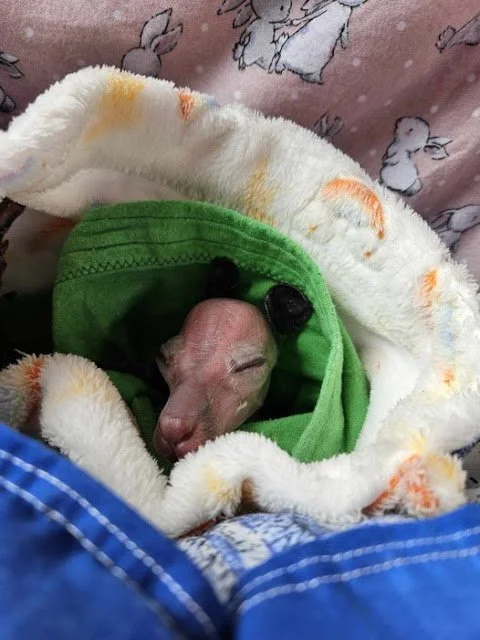
She is not OK
You’ve found a joey. You want to help. But what you do next could mean the difference between life and death. This blog is not a guide for raising wildlife—it’s a plea to protect it. Because no matter how calm that joey looks in your arms, it is not okay. Trauma runs deep, and well-meaning mistakes can kill. Read this before you act. Then call a carer. Immediately.
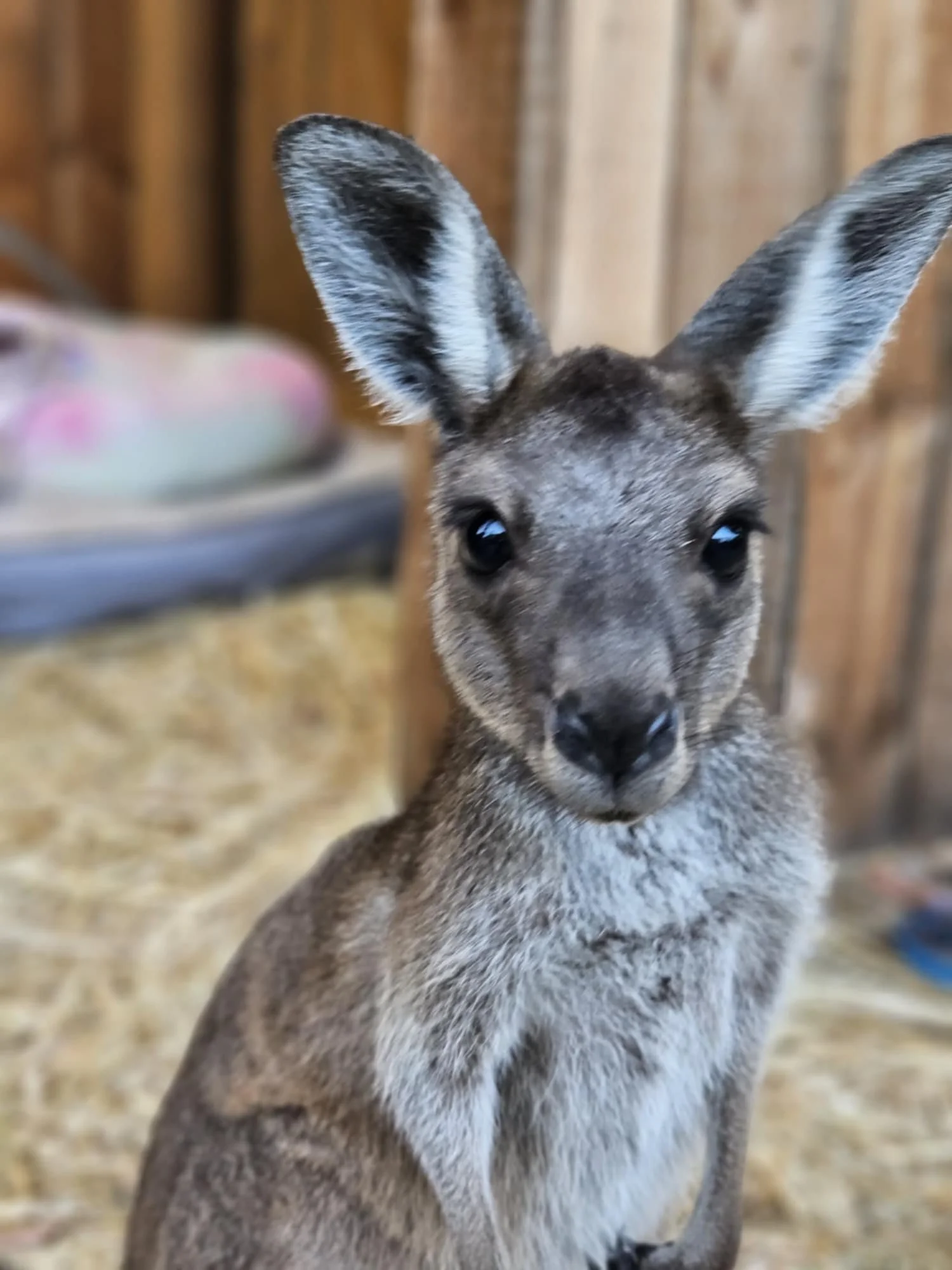
She Didn’t Have to Suffer This Way
Every day, wildlife carers face the heartbreaking truth that so much suffering could have been prevented. We hold broken bodies, comfort terrified joeys, and bury those we couldn’t save—all while knowing: She didn’t have to suffer this way. This post is a tribute to the lives lost, the carers who keep showing up, and the choices that could have made all the difference.
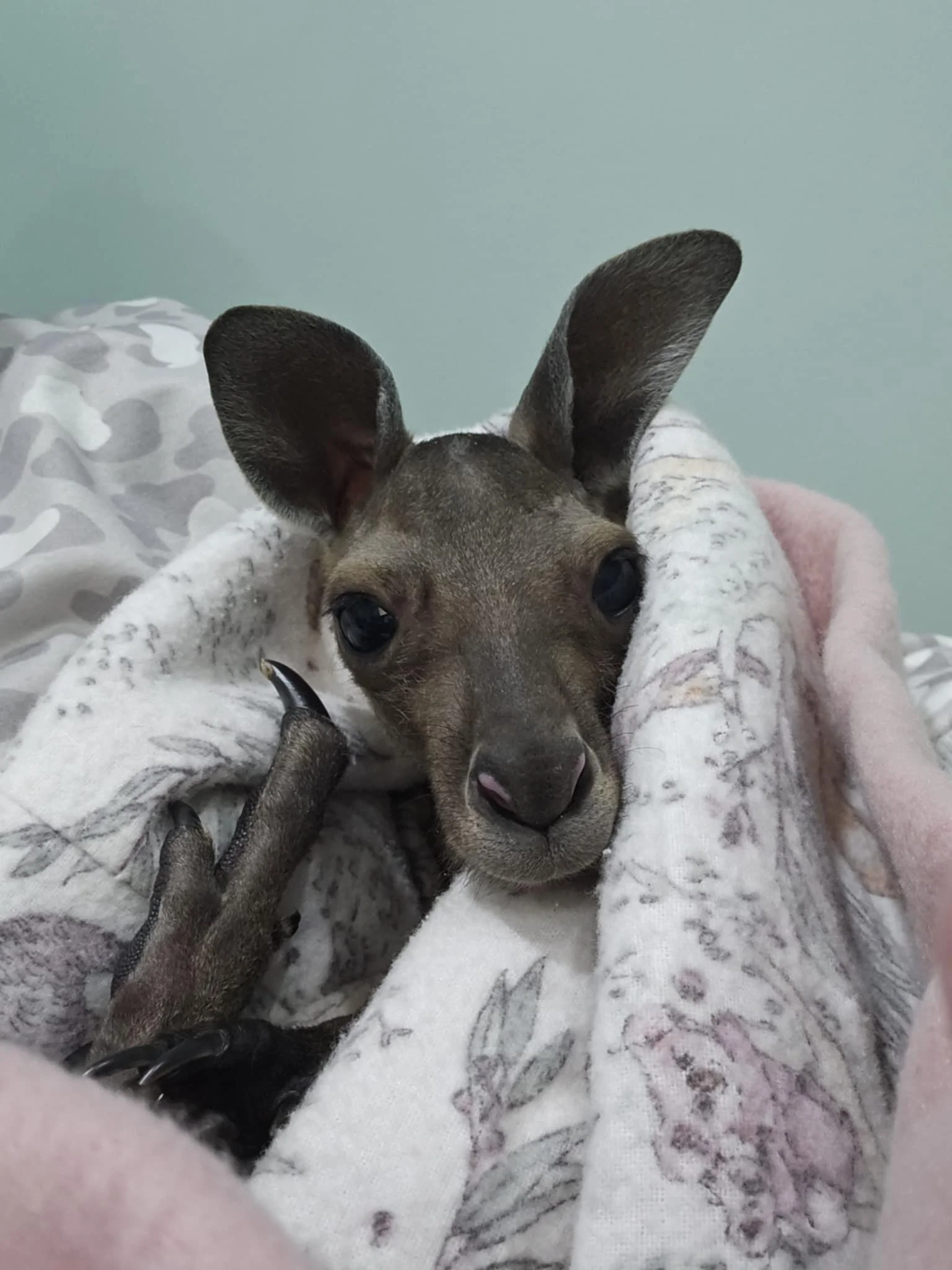
To the Carers Who Have Loved and Lost
There are days in wildlife care that feel like miracles—when a joey takes her first hop, when a wombat finally eats on his own, when the eyes of a once-traumatised possum softens in trust.
And then there are the other days.
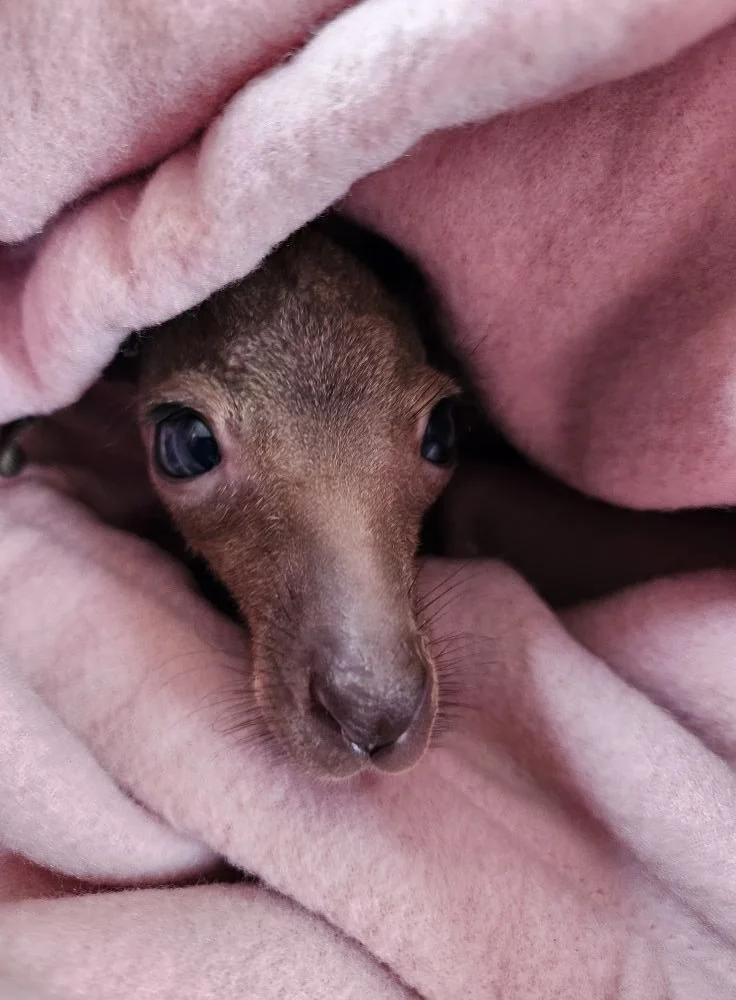
The Cry That Breaks the Silence
Nothing pierces the heart quite like the cry of a newly orphaned joey—calling out for the Mummy who will never answer.
Her Mummy is gone. Taken too soon.
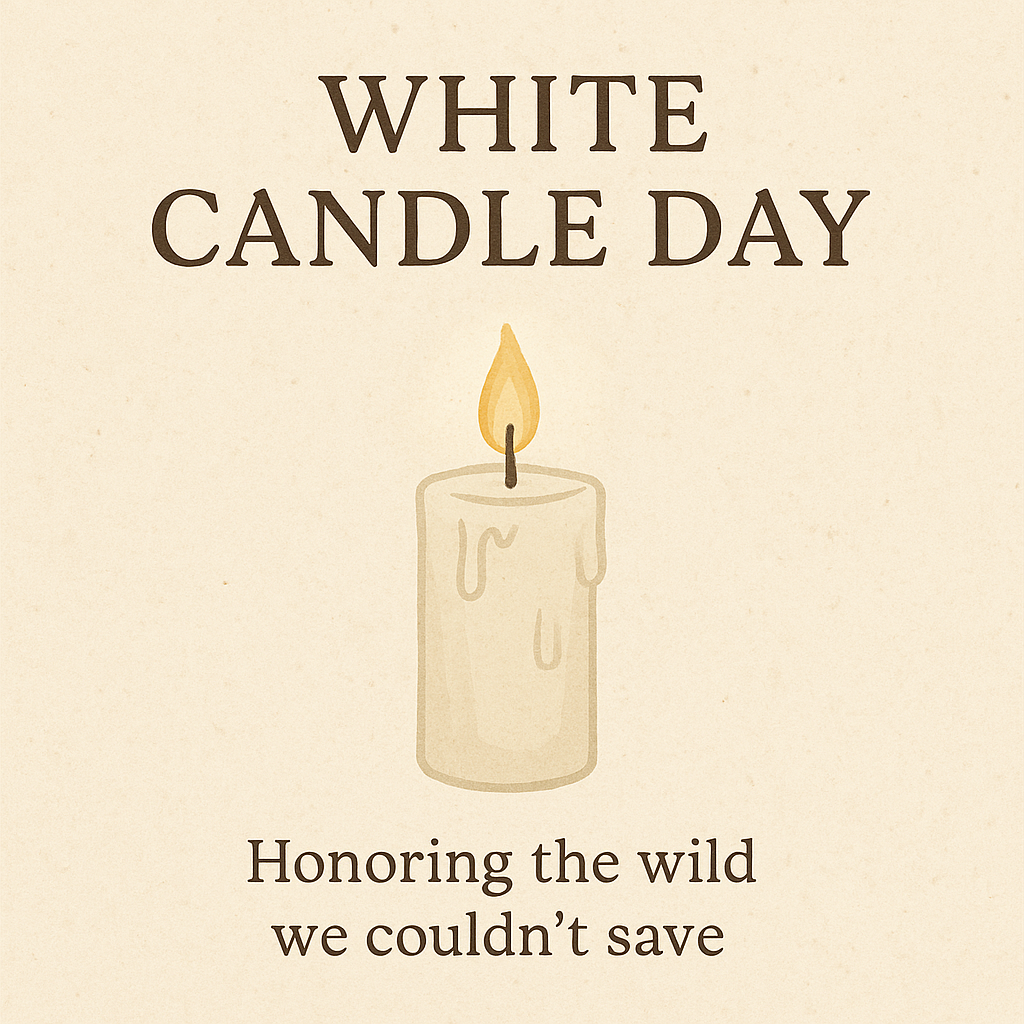
White Candle Day: Honouring the Wild We Couldn’t Save
Every year on 17 August, let wildlife carers across Australia pause to honor the lives that slipped through our fingers—the joeys, possums, birds, and beings we loved fiercely but couldn’t save. This blog is a tribute to them, and to the emotional toll borne by those who care. It’s a candlelit reflection on grief, resilience, and the quiet strength of those who keep showing up, even when the heartbreak feels too heavy to hold.