
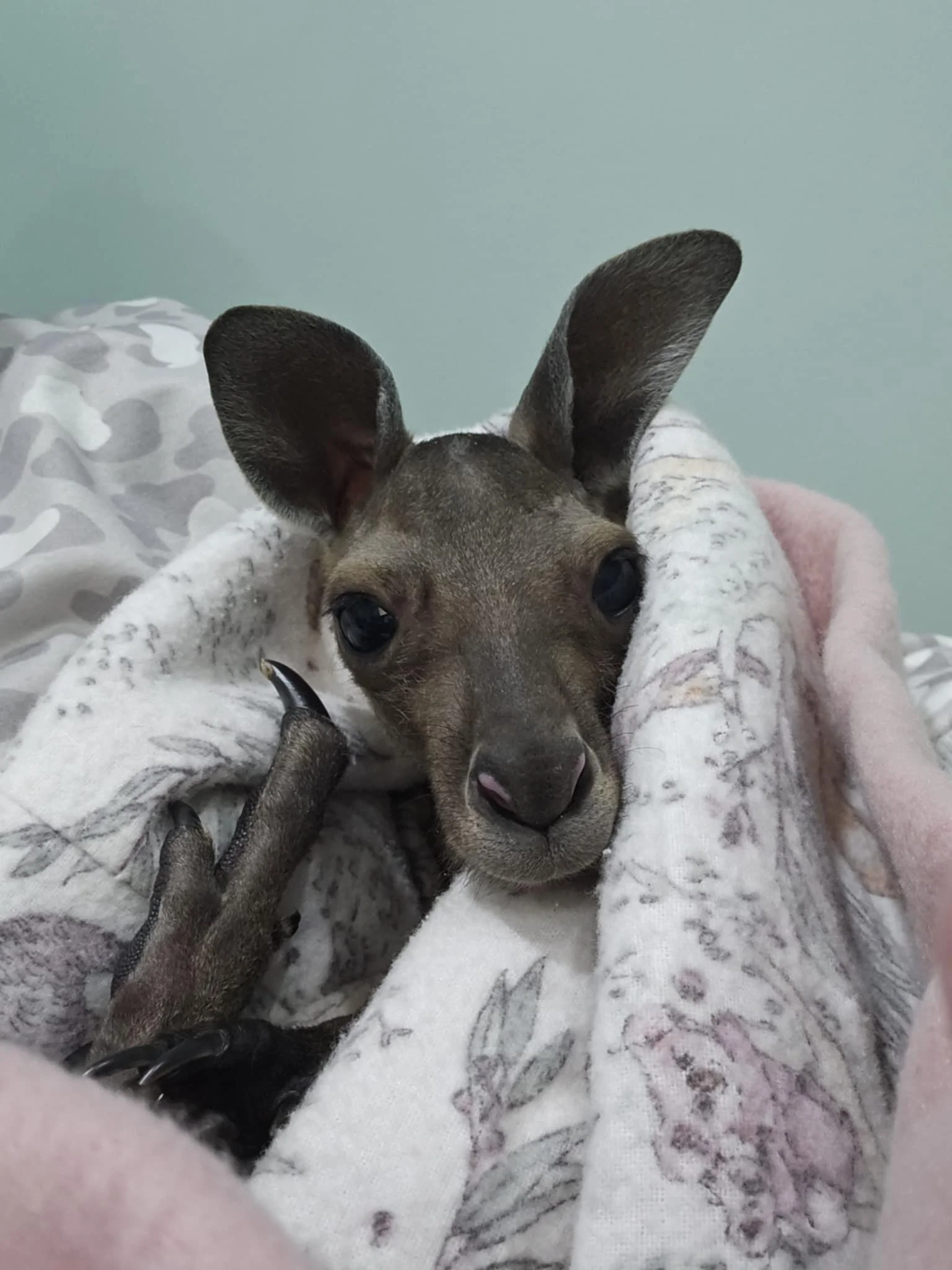
To the Carers Who Have Loved and Lost
There are days in wildlife care that feel like miracles—when a joey takes her first hop, when a wombat finally eats on his own, when the eyes of a once-traumatised possum softens in trust.
And then there are the other days.
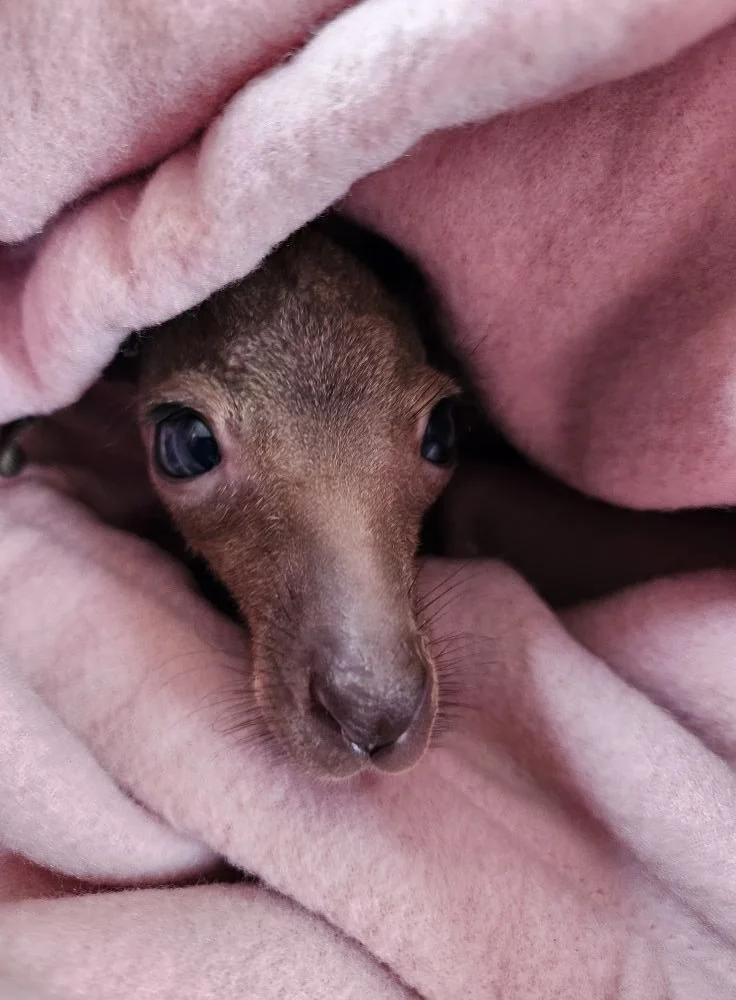
The Cry That Breaks the Silence
Nothing pierces the heart quite like the cry of a newly orphaned joey—calling out for the Mummy who will never answer.
Her Mummy is gone. Taken too soon.
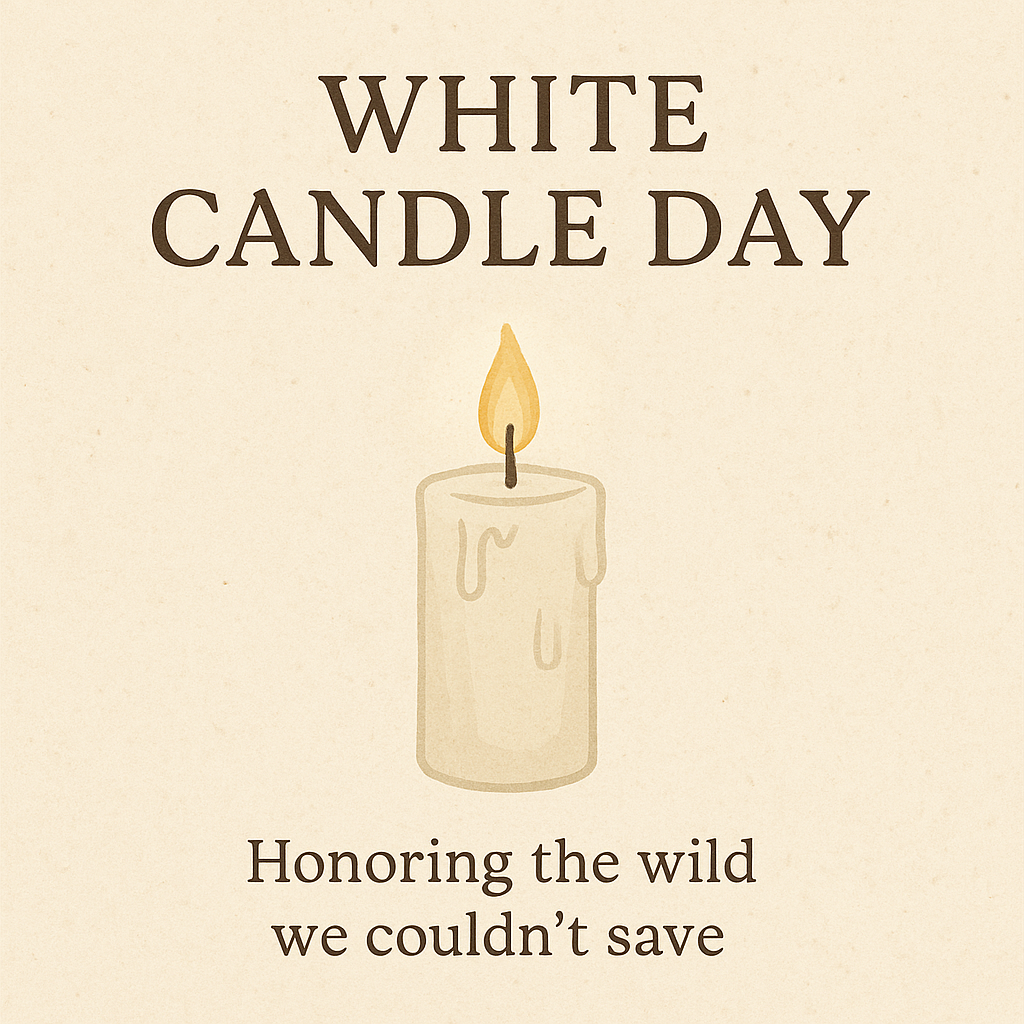
White Candle Day: Honouring the Wild We Couldn’t Save
Every year on 17 August, let wildlife carers across Australia pause to honor the lives that slipped through our fingers—the joeys, possums, birds, and beings we loved fiercely but couldn’t save. This blog is a tribute to them, and to the emotional toll borne by those who care. It’s a candlelit reflection on grief, resilience, and the quiet strength of those who keep showing up, even when the heartbreak feels too heavy to hold.
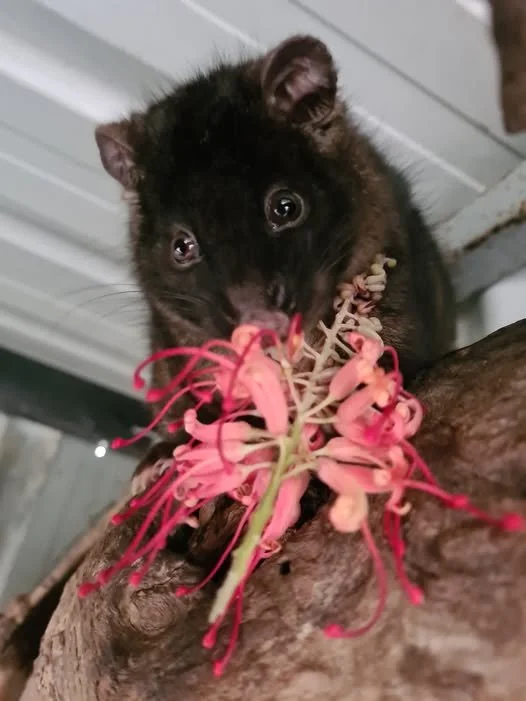
Possums in Our Care: The Quiet Complexity of Orphaned Lives
Possums are among Australia’s quietest casualties—gentle, nocturnal beings often overlooked until it’s too late. In care, we see the toll of misinformation and neglect: fragile bodies failing from incorrect diets, orphaned joeys clinging to life, and species like the Ringtail teetering on the edge of extinction. This blog is a space to illuminate their stories, advocate for informed care, and remind readers that every possum life matters.
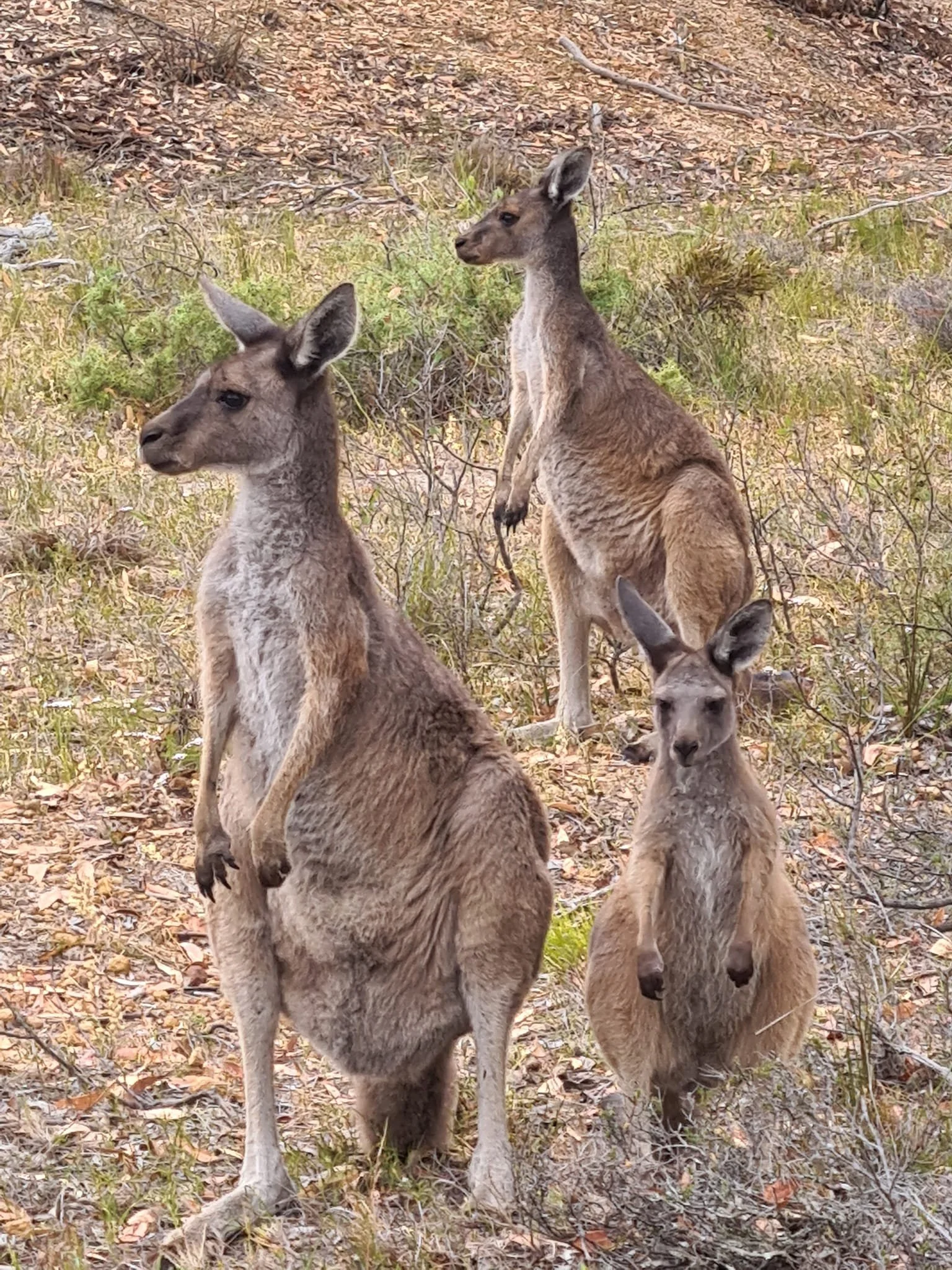
Kangaroos and the Cost of Kindness
Kangaroos are far more than the bounding silhouettes on our national crest—they are emotionally complex, socially bonded beings who suffer deeply when misunderstood. In regional care settings, we see the consequences of that misunderstanding daily: joeys torn from mothers, adults overstimulated or neglected, and survivors like Cherish who arrive on the brink. This blog is a space to reclaim their stories, challenge the narratives that fail them, and celebrate the quiet, powerful work of healing that happens when we choose empathy over exploitation.
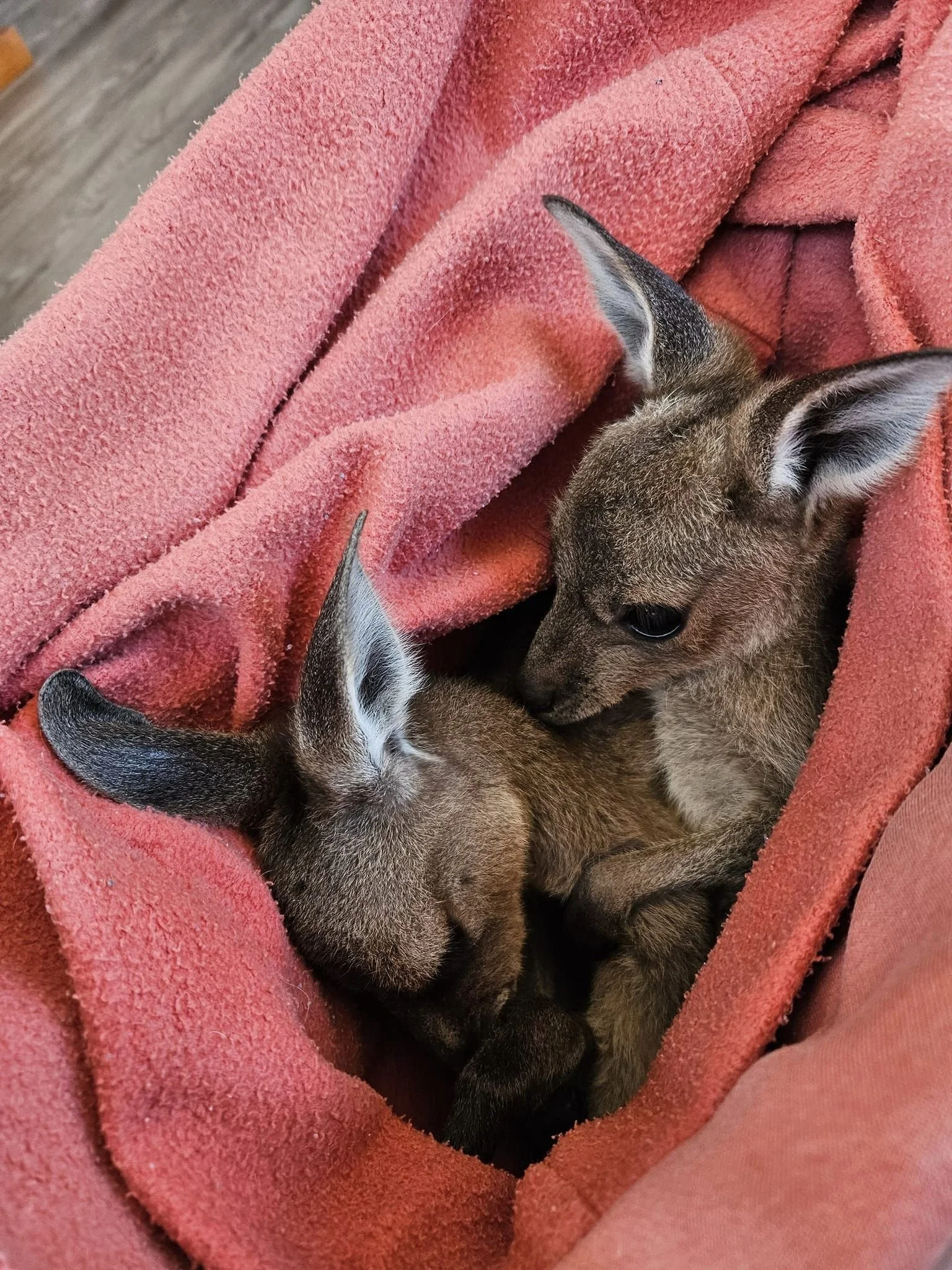
When did it become OK?
Australia’s kangaroos are iconic, yet increasingly treated as expendable. Behind the labels of “sustainable” and “humane” lies a reality of mass slaughter, orphaned joeys, and cultural disregard. This blog asks the hard questions: When did it become OK? And how long will we stay silent?
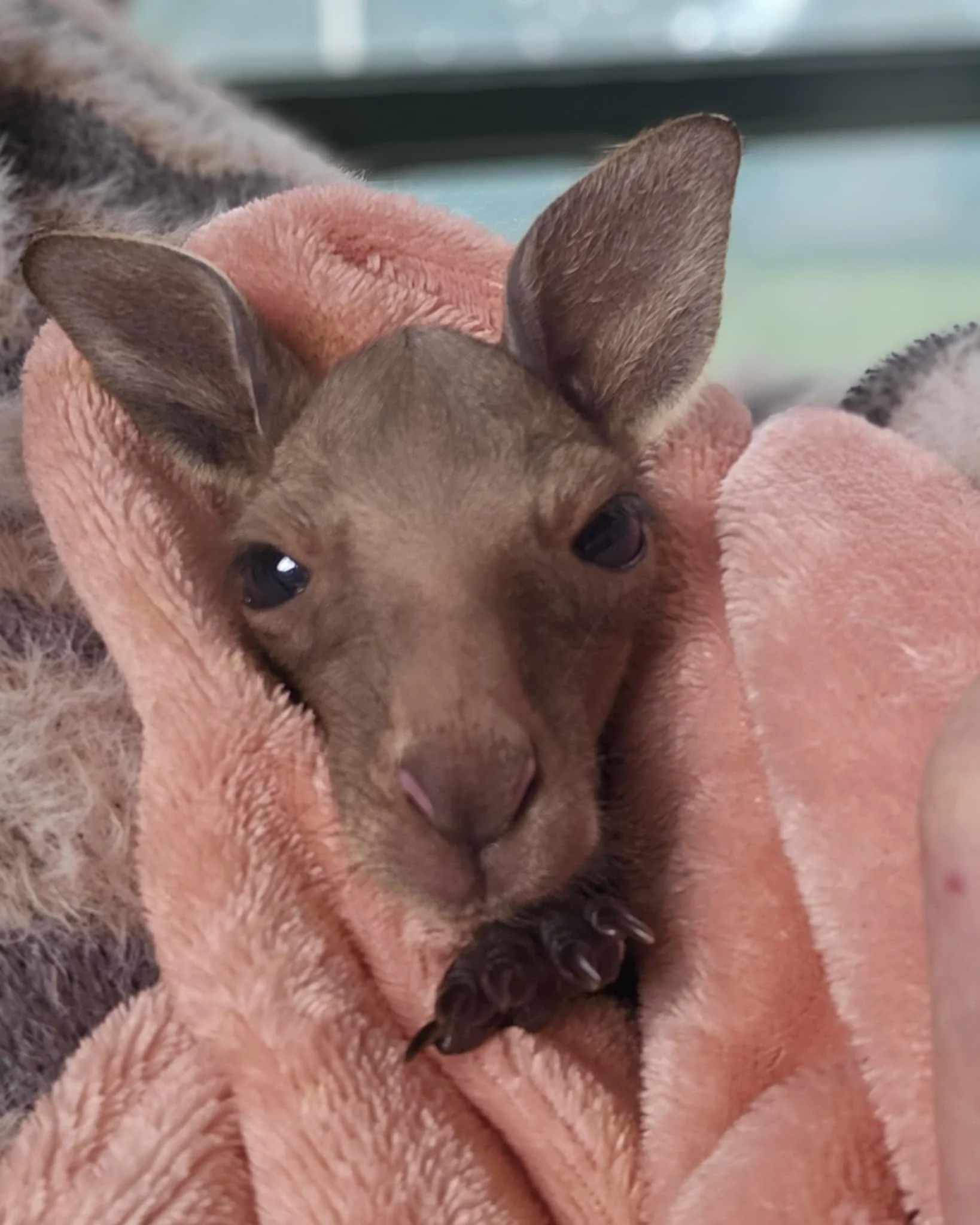
When Did It Become Okay? A Reckoning for Our Kangaroos
A Land That Once Knew Balance
Australia is a land of paradox — ancient yet scarred, vast yet shrinking in spirit. For tens of thousands of years, kangaroos bounded across this continent in harmony with its people and its rhythms. They were never just animals; they were part of the story. Aboriginal communities understood this deeply, living with the land, not over it.
But something changed.
This blog post is a call to conscience. It draws parallels between the fate of kangaroos in Australia and the wolves of North America — both victims of narratives rooted in fear, not science. It asks: When did it become okay? And more importantly: When will it stop?
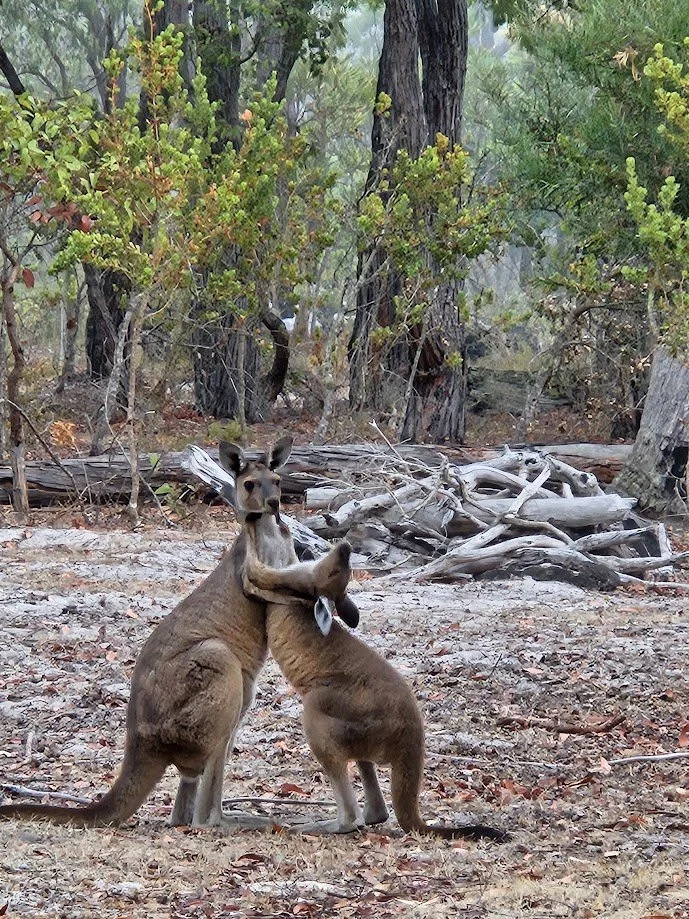
Ruby Roo and the $255 Million Mirage: Welcome to Australia,
Australia loves its kangaroos—until it doesn’t. Every year, tens of thousands are shot across the country under the guise of management and conservation, often at night, often without public scrutiny, and always at a cost. Meanwhile, animated mascots bounce across tourism campaigns, airline logos, and national branding, selling the kangaroo as a proud symbol of Australian identity. This blog post explores the staggering contradiction: how a nation can glorify its wildlife for profit while systematically erasing it from the landscape. It’s time to ask—what does it really mean to love a species, if we’re willing to kill it to keep it out of sight?
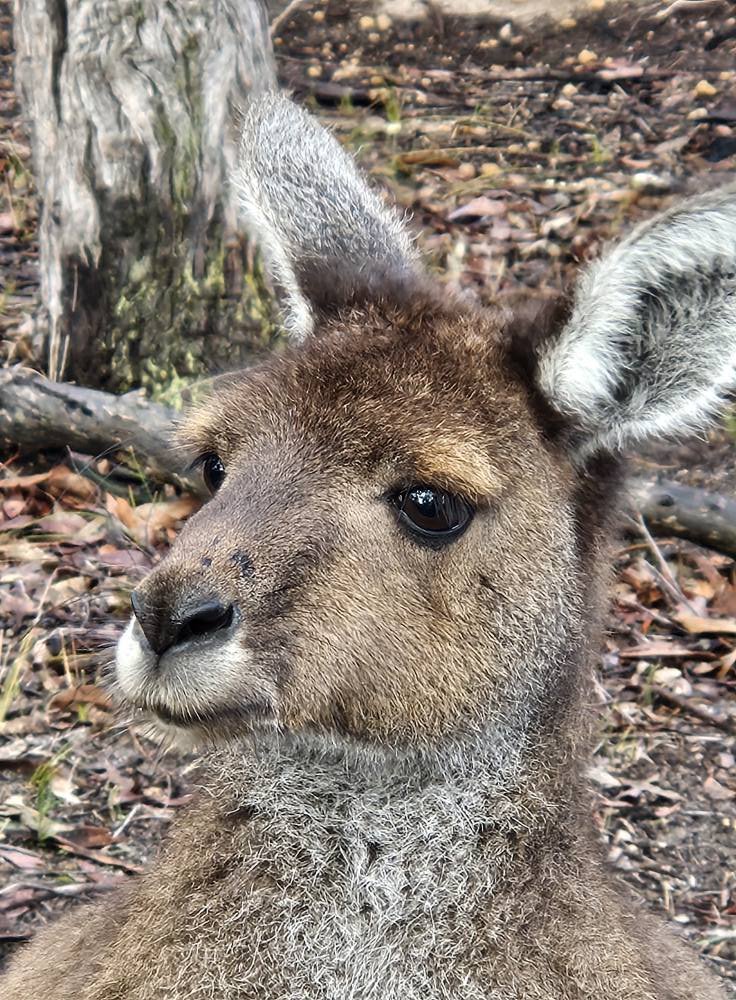
Thank You, Wildlife Carers: A Love Letter from the Wild
At Amaris Wildlife Sanctuary, every life matters—no matter how small, how broken, or how wild. Behind every rescue is a story of compassion, courage, and unwavering dedication. This letter is written from the perspective of the animals whose lives have been touched by wildlife carers. It’s a tribute to the quiet heroes who walk through heartbreak to bring hope.
To those who show up, again and again—this is for you.

The Weight of Advocacy and the Need to Breathe
Advocating for kangaroos has taken me to some dark emotional places lately. This isn’t just about policy or pet food labels—it’s about bearing witness to cruelty, and trying to make sense of a world that celebrates kangaroos in advertisements while disregarding their suffering. In this post, I reflect on the grief, the helplessness, and the quiet strength it takes to keep going when everything feels too heavy.
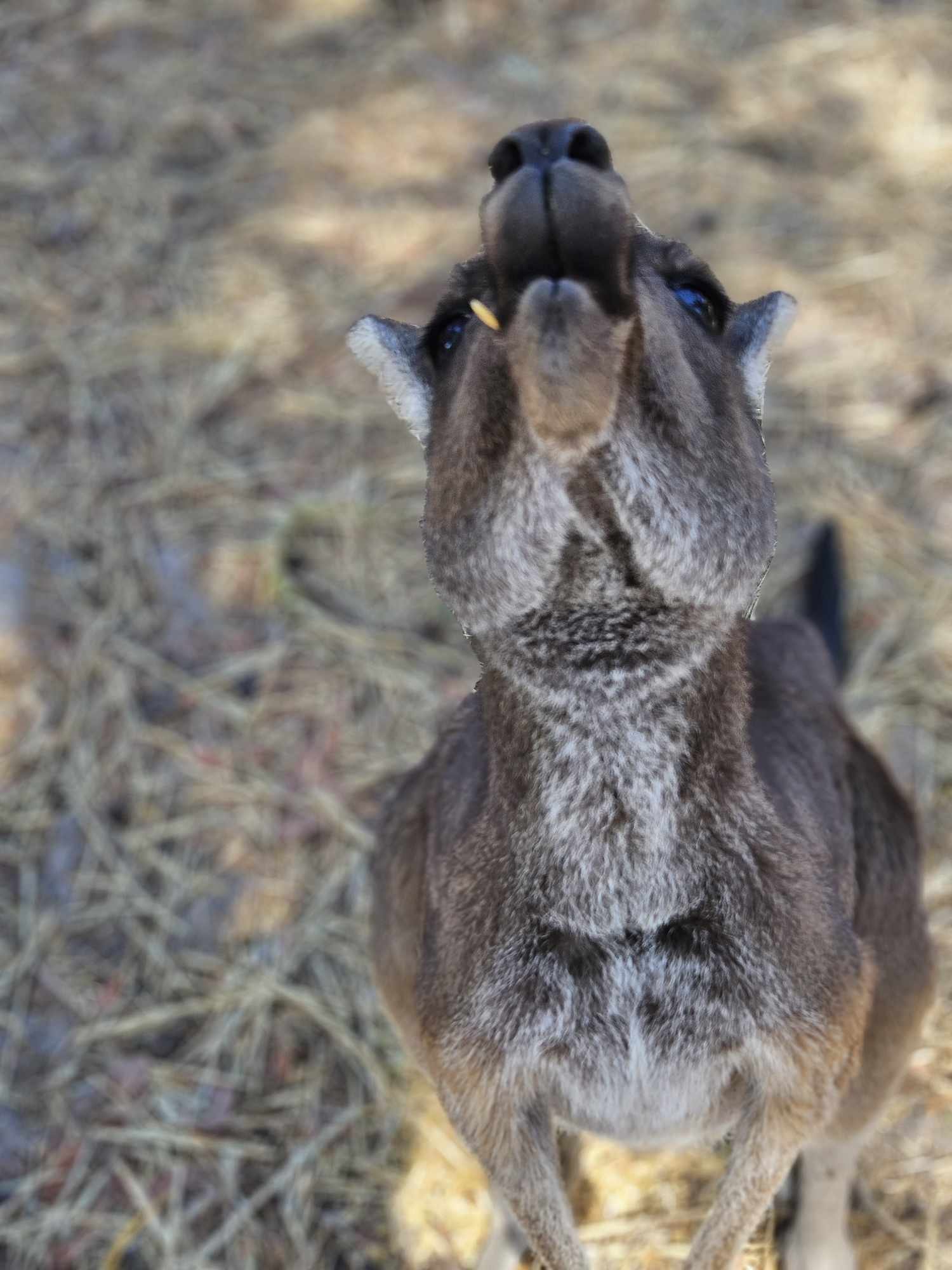
When Did Compassion Become Controversial?
Advocating for kangaroos shouldn’t come with cruelty—but lately, it feels like compassion has become controversial. As media attention grows around the commercial killing of kangaroos, I’ve noticed a troubling rise in online abuse directed at carers and advocates who speak up. This blog is a personal reflection on what it means to raise your voice for wildlife in a world that doesn’t always want to listen.

They’re Not Invading—They’re Surviving
Living among kangaroos should be a privilege—yet too often, their presence is met with frustration instead of curiosity or compassion. A recent comment made to me got me thinking: when people say “there are more kangaroos than ever,” what are they really seeing? This post unpacks the changes we’ve made to the landscape, the consequences wildlife are bearing, and why visibility doesn’t always equal abundance.

A National Disgrace: Channel 10’s Kangaroo Segment Wasn’t Journalism—It Was Propaganda
There are times when the media has the power to inform, to challenge, and to inspire compassion. And then there are times—like this past week—when it does the exact opposite. Channel 10’s recent segment on the kangaroo industry wasn’t just disappointing; it was a gut punch to every wildlife carer, advocate, and compassionate Australian who knows the truth behind the commercial slaughter of our native animals. This blog post is not just a response—it’s a moment of truth. Because when journalism becomes a mouthpiece for cruelty, someone has to speak for those who can’t.

Did we choose this?
Two wildlife sanctuaries in Western Australia have just closed their doors—not because they stopped caring, but because they simply couldn’t keep going. This blog is a reflection on the heartbreak, the exhaustion, and the quiet crisis facing wildlife carers across the country. It’s not just about burnout—it’s about a system that leaves us behind, and the question we keep asking: Did we choose this, or did it choose us?

Why, Oh Why, Is No One Listening?
Every winter in Canberra, the killing begins. Behind closed reserves and under the cover of darkness, thousands of kangaroos are shot—funded by taxpayer dollars and justified by a narrative that’s wearing thin. This blog is not just a plea. It’s a cry from all of us who have written, spoken, and wept for years. Why, oh why, is no one listening?
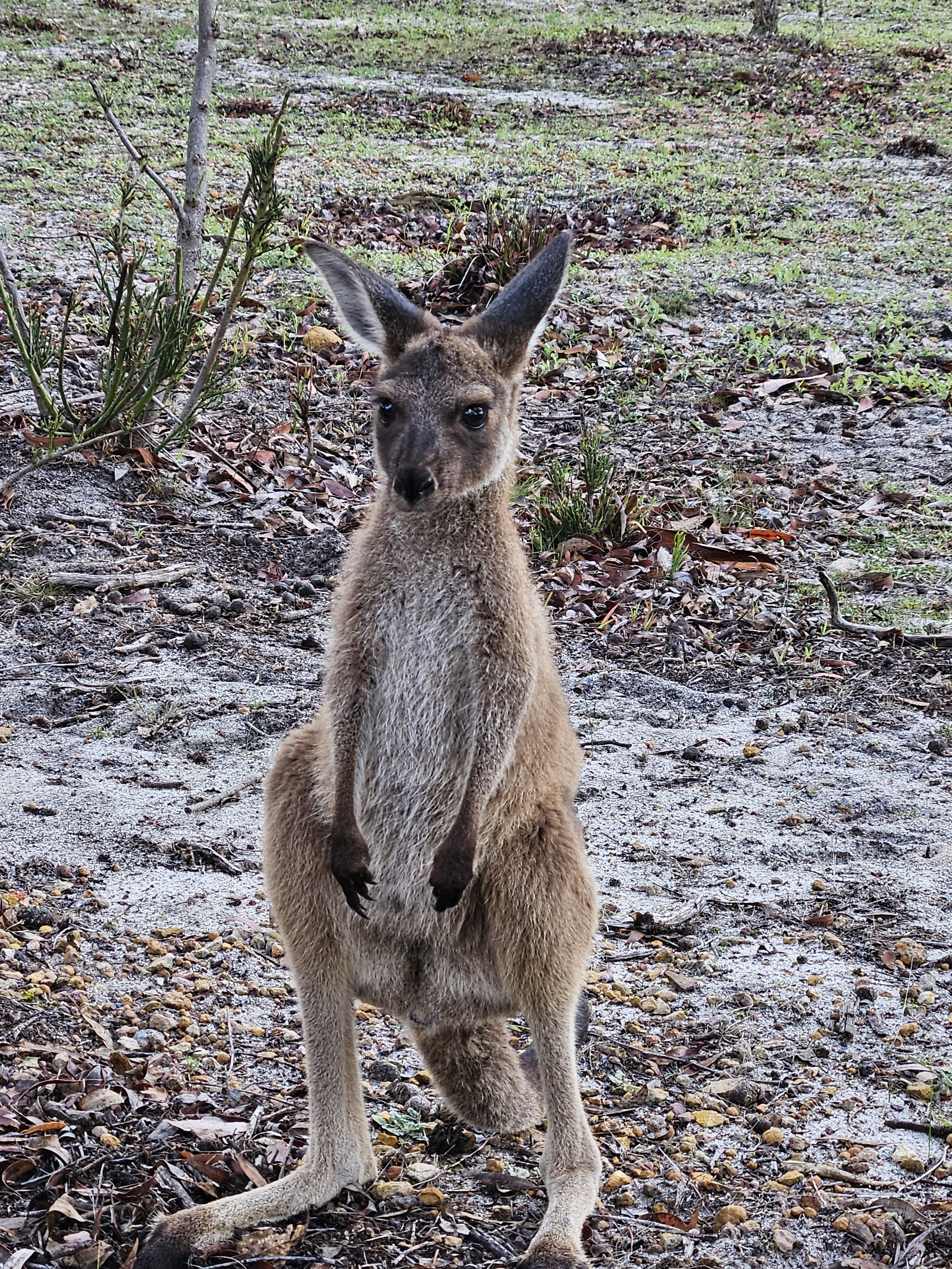
“Allen Road: The Silence That Kills”
Dead kangaroos have been found again—this time in a paddock on Allen Road, Walpole
No shooter in sight. No explanation. Just the aftermath: lifeless bodies, likely mothers, left to rot in the open. At this time of year, nearly every female kangaroo carries a joey. So we must ask: what happened to them?
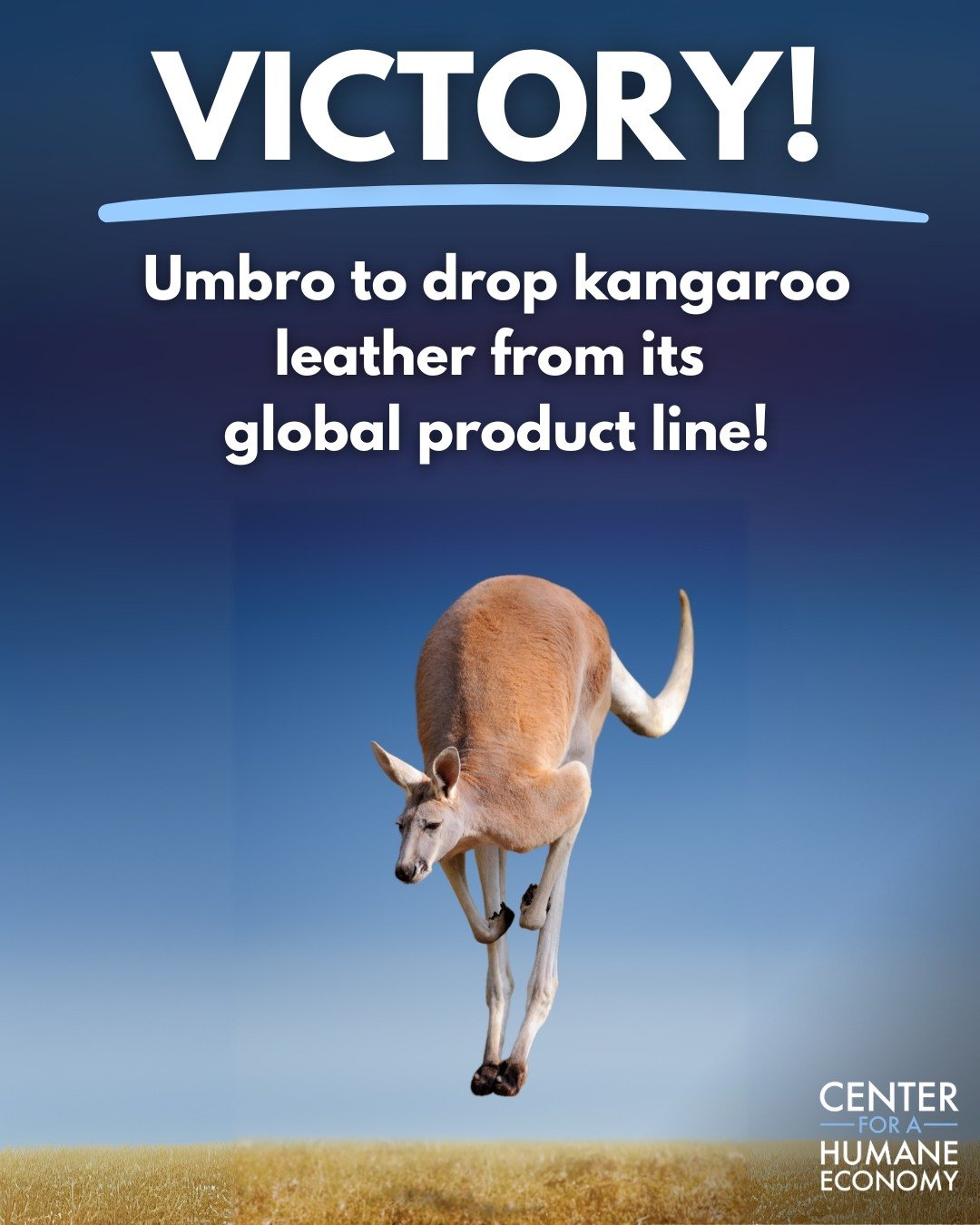
The Global Shift Away from Kangaroo Leather in Sportswear
For decades, kangaroos—Australia’s iconic, sentient, native animals—have been quietly turned into football boots and fashion accessories. Their skins, marketed as “K-leather,” were prized for being lightweight and durable. But behind every pair of boots was a brutal truth: night-time shootings, orphaned joeys, and a commercial industry that treats wildlife as disposable.
Now, finally, the world is waking up.
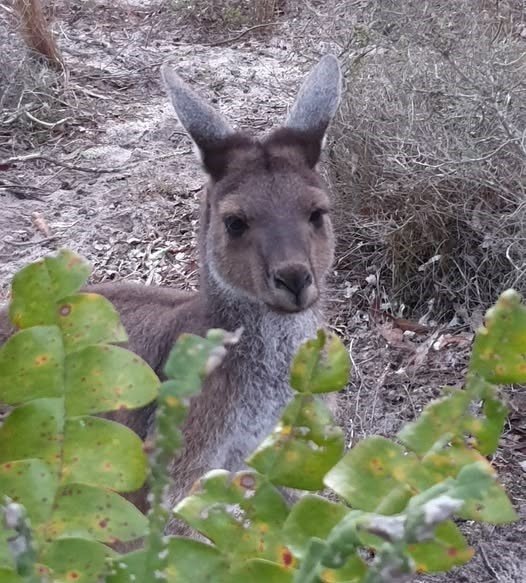
Change the Narrative: Reclaiming the Truth About Kangaroos
We’ve been fed a story. One that paints kangaroos as pests, nuisances, and obstacles. A story that justifies cruelty, indifference, and silence. But it’s time to change the narrative—because the one we’ve been told is not only wrong, it’s dangerous.
Let’s rewrite the story. Because they are not the problem. They are the victims of one.

When Kindness Isn’t Enough: In Memory of Mikayla, and Every Carer Who’s Carried Too Much Alone
This one is raw and from the heart. It’s about kangaroos—but it’s also about us. About why so many dismiss their suffering. About the disconnect that silences outrage. About the carers who break under the weight of it. About kindness—and why we need more of it, not just for wildlife, but for each other.
I wrote this in memory of Mikayla Raines and every soul who gave everything for animals and still felt unseen. Please read, please reflect, and please… let’s choose compassion.

Understanding The Kangaroo Divide: Why Is It So Easy to Hate What We Should Be Protecting?
The Kangaroo Divide: Why Is It So Easy to Hate What We Should Be Protecting?
There’s something deeply broken in the way we see our kangaroos.
They’re on our coat of arms, our coins, our tourism posters. Foreigners marvel at them; documentaries celebrate them. Yet at home, too often, they’re dismissed as pests, ridiculed in memes, and treated as roadkill punchlines.