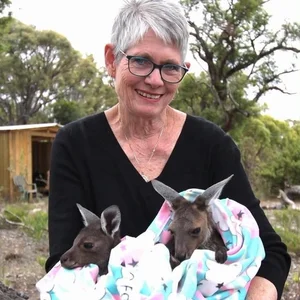
The Hidden Dangers of Rabbit Bait to Our Wildlife
Beyond Rat Bait: The Hidden Dangers of Rabbit Bait to Our Wildlife
By Amaris Wildlife Sanctuary
When we talk about poison and wildlife, most people immediately think of rat bait. And it’s true — rodenticides are responsible for countless cases of secondary poisoning in owls, eagles, goannas, quolls, and even pets. But there’s another bait quietly causing harm across regional Australia, and many people don’t realise the risk it carries.
That bait is pindone, commonly used in poison oats for rabbit control.
What Is Pindone?
Pindone is an anticoagulant poison. It works by preventing blood from clotting, causing slow internal bleeding over several days. While it’s intended for rabbits, it doesn’t stay with rabbits — and that’s where the danger lies.
Native wildlife can be poisoned in two ways:
Directly, by eating the oats
Indirectly, by eating a rabbit that has consumed the bait
Animals at risk include kangaroos, wallabies, bandicoots, parrots, pigeons, owls, kites, eagles, goannas, reptiles, and domestic pets.
We often think of rat bait as the main culprit, but pindone can cause the same heartbreaking outcomes.
Why We’re Speaking Up
At Amaris, we see the consequences of poisoning far too often. Animals arrive weak, pale, struggling to breathe, or collapsing without warning. Sometimes we can save them. Sometimes we can’t.
And most of the time, the people who put the bait out had no idea it could harm anything other than rabbits.
This isn’t about blame — it’s about awareness.
Humane, Wildlife‑Safe Alternatives
There are effective, non‑lethal ways to reduce rabbit impact without risking the lives of native animals. These approaches focus on prevention, habitat design, and reducing attractants.
Habitat Management
Remove piles of debris, old sheds, and blackberry thickets where rabbits shelter
Maintain fencing and block burrows around sheds and gardens
Keep grass trimmed around key areas
Exclusion & Protection
Install rabbit‑proof fencing around gardens and revegetation sites
Repair holes and weak points regularly
Use mesh guards on young trees
Reduce Attractants
Secure feed sheds and grain storage
Clean up spilled grain or hay
Use raised feeders for livestock
Seek Professional, Non‑Lethal Advice
Local NRM, DPIRD and landcare groups can help assess your property and suggest wildlife‑friendly strategies tailored to your land.
Work Together
Rabbit management is most effective when neighbours coordinate. Shared timing and shared strategies make a huge difference.
A Kinder Way Forward
Most landholders care deeply about the wildlife that shares their land. Many simply haven’t been told that rabbit bait can cause the same kind of suffering we associate with rat bait.
By choosing safer, non‑lethal options, we protect not only our farms and gardens — but the kangaroos, birds, reptiles and small mammals who belong here just as much as we do.
Awareness saves lives. Kindness does too.
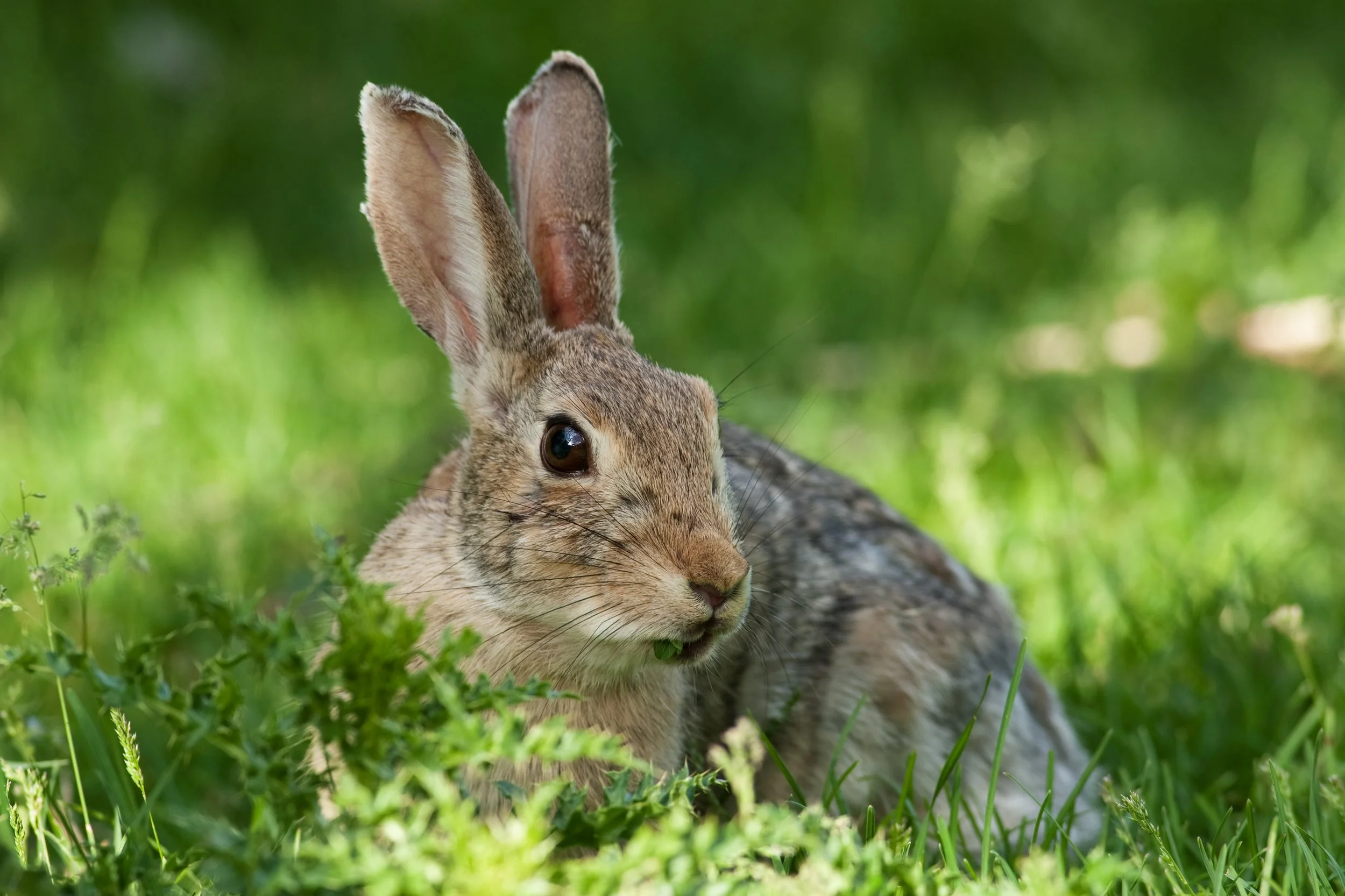
Image by pngtree.com